
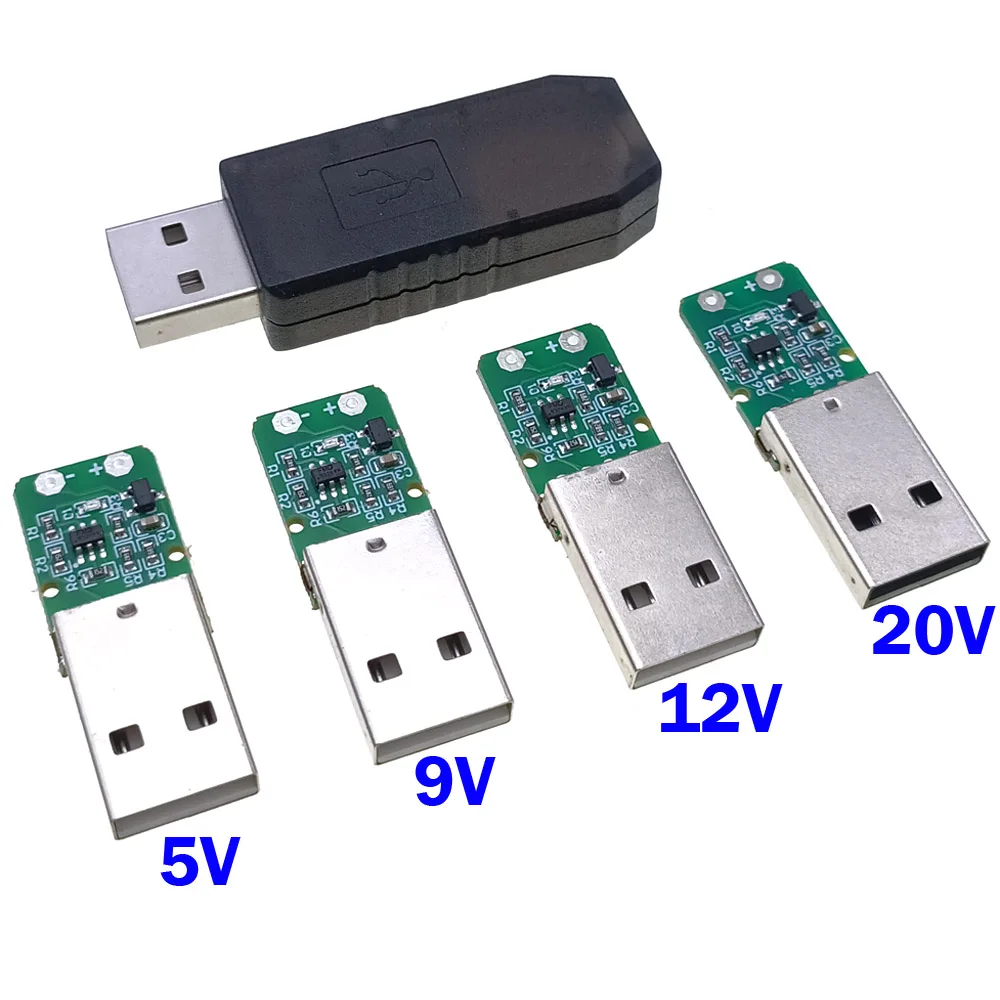
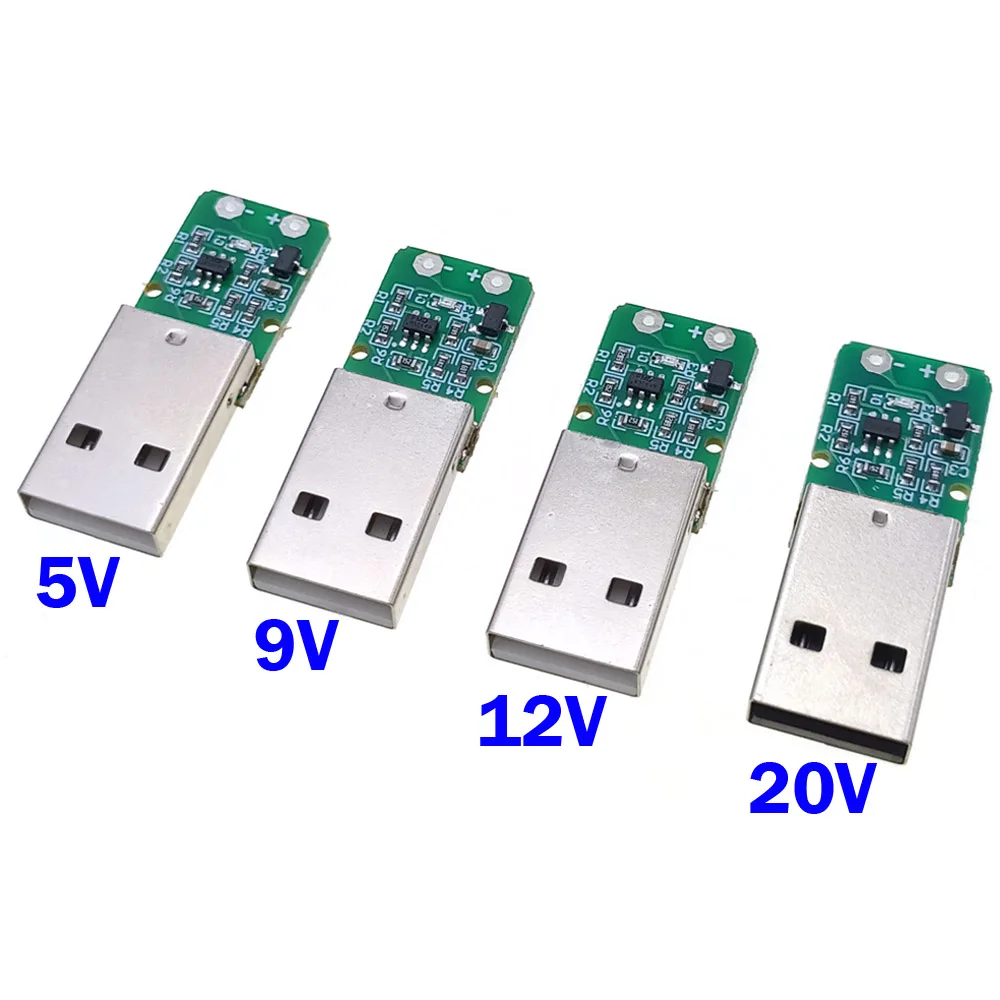
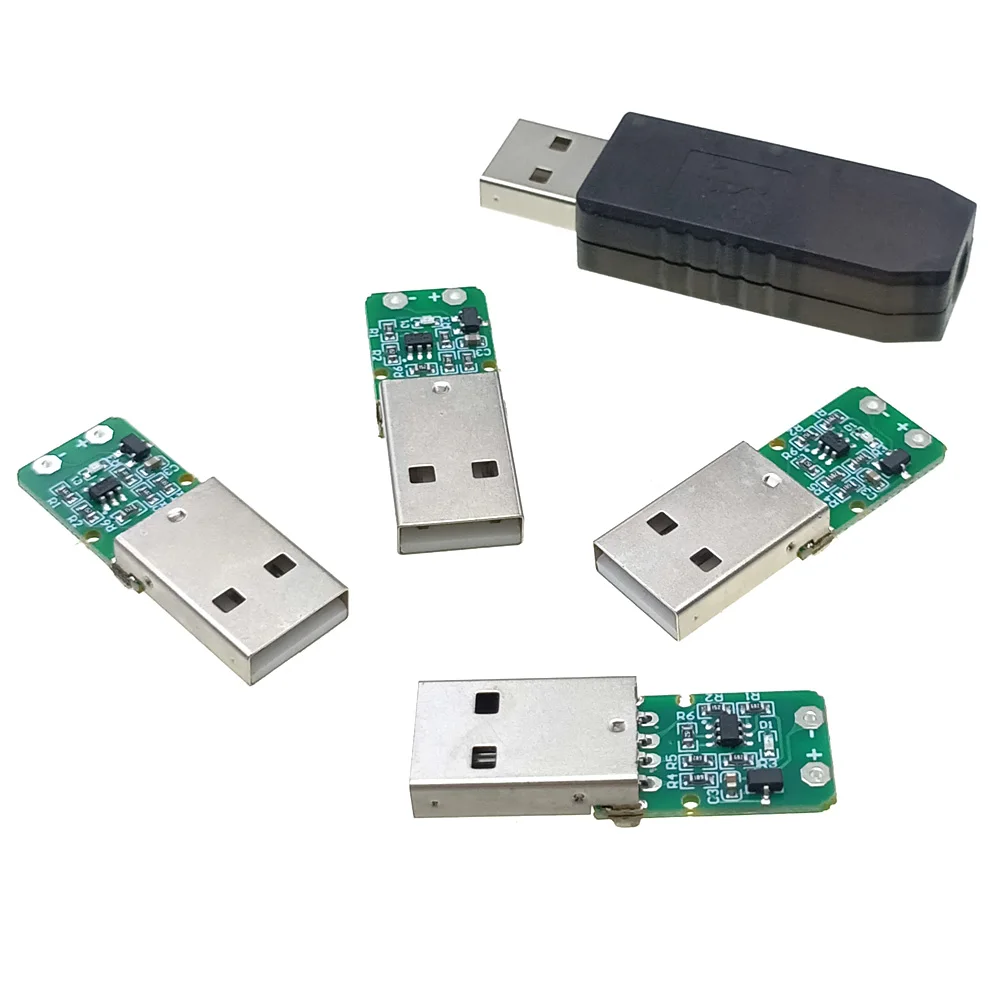
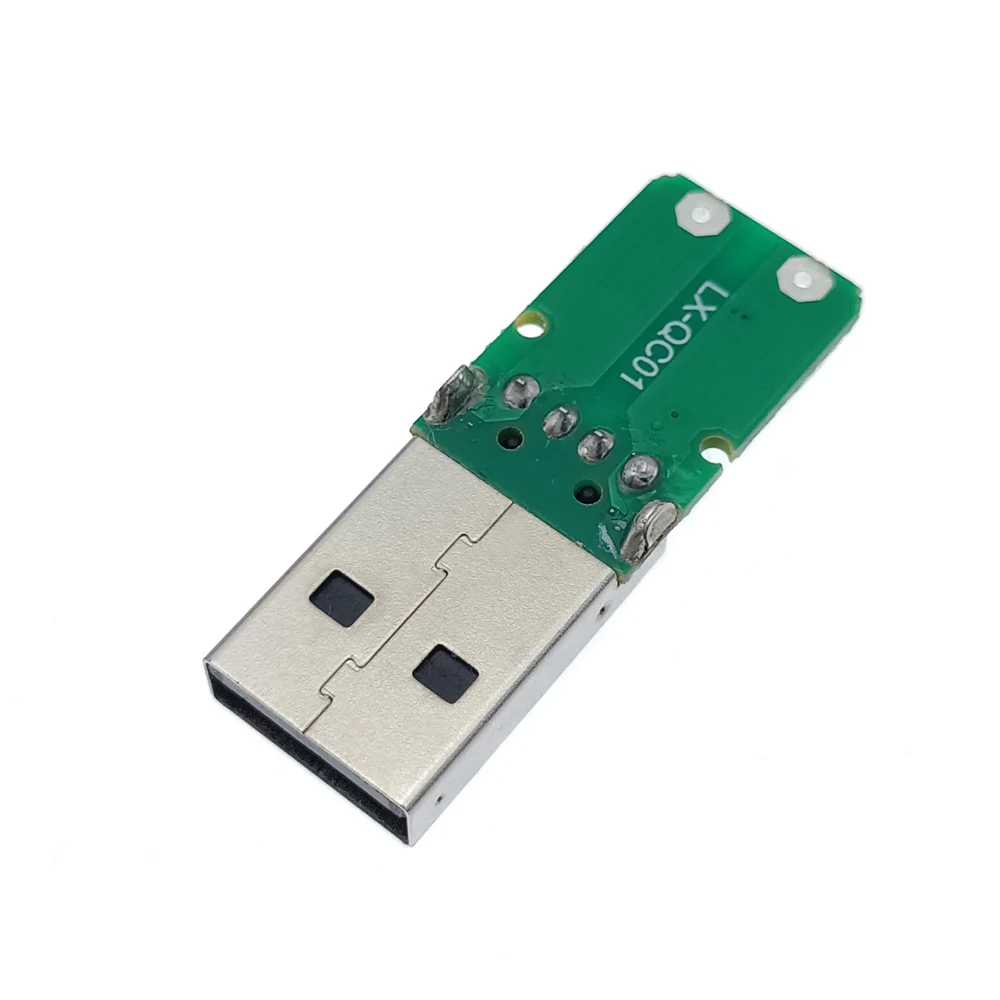
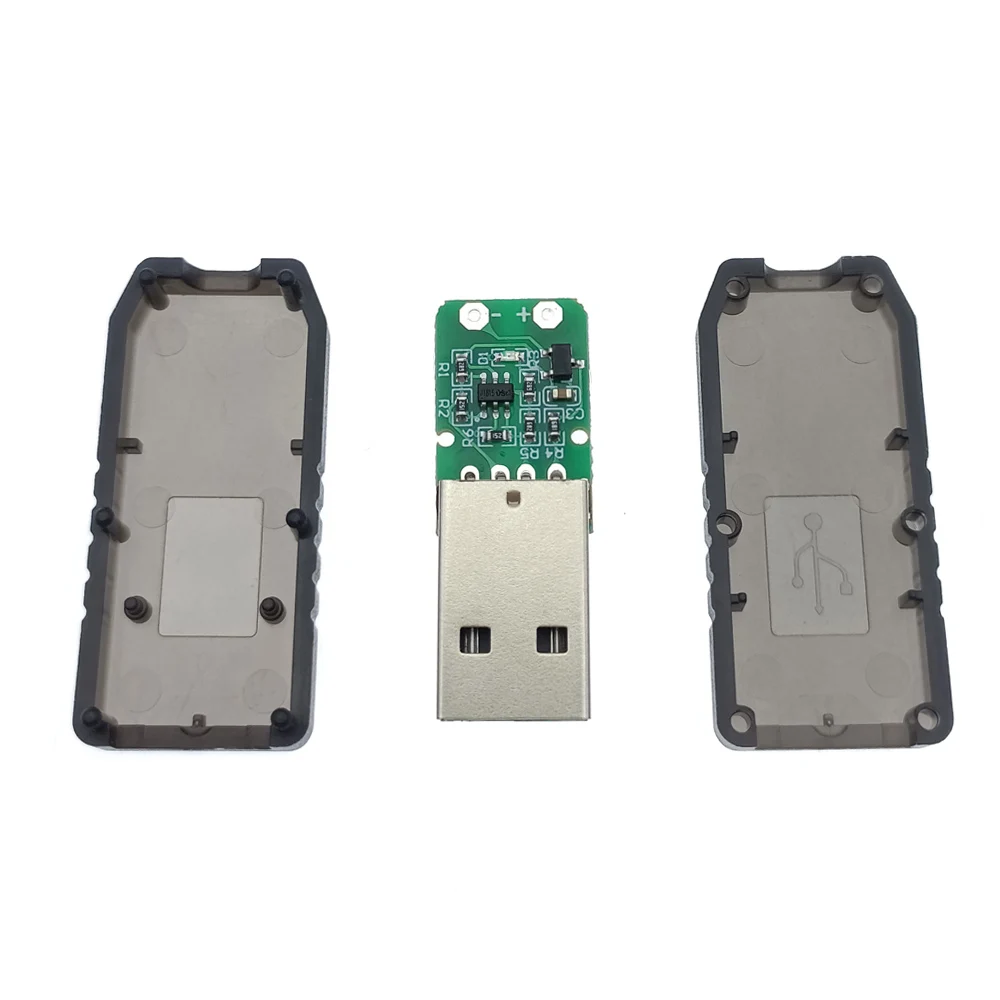
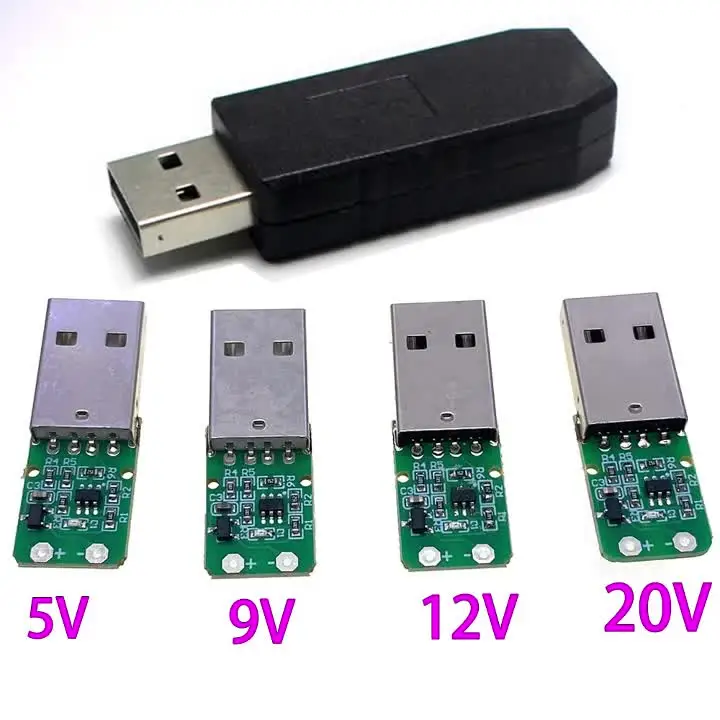
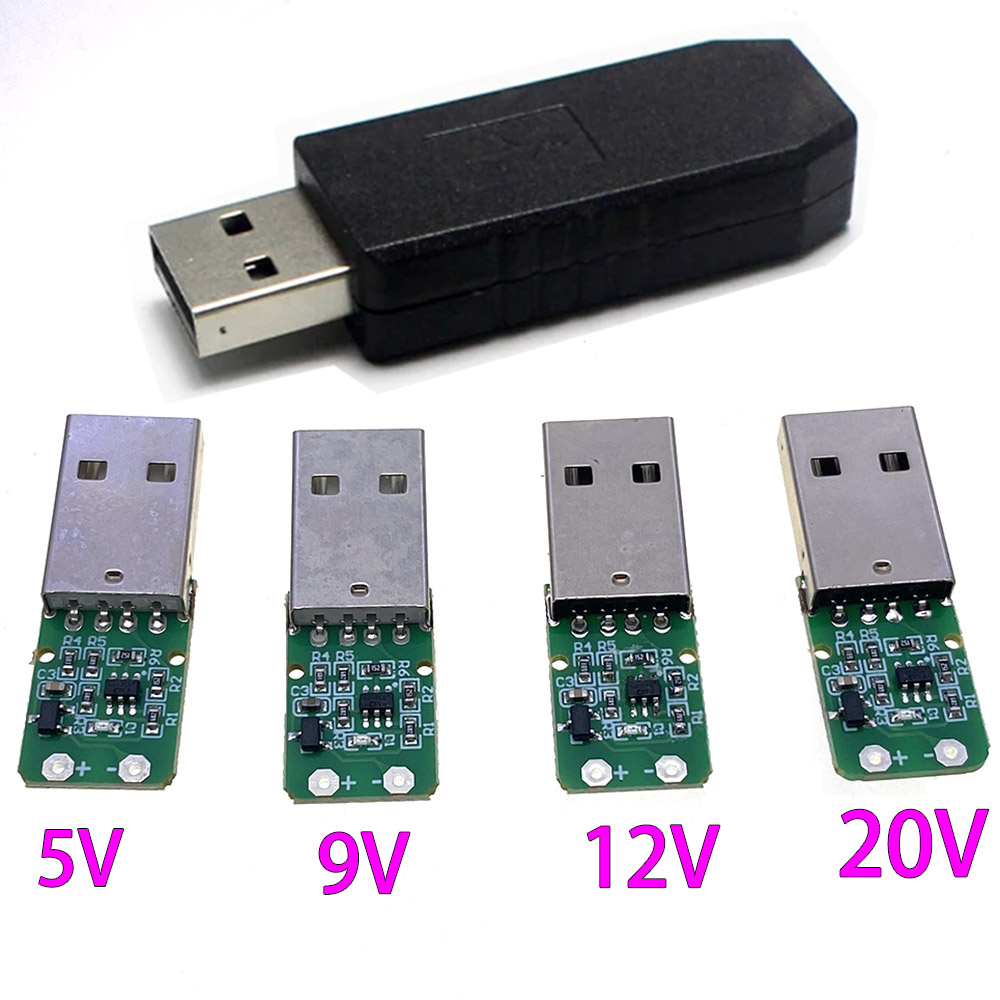
QC To 5V 9V 12V 20V Power Buck Modules USB 2.0 QC2.0/3.0 Decoy Trigger Board Induction Cable Male Plug Connector with Housing
$0.82
Minimum order quantity: 100 pcs
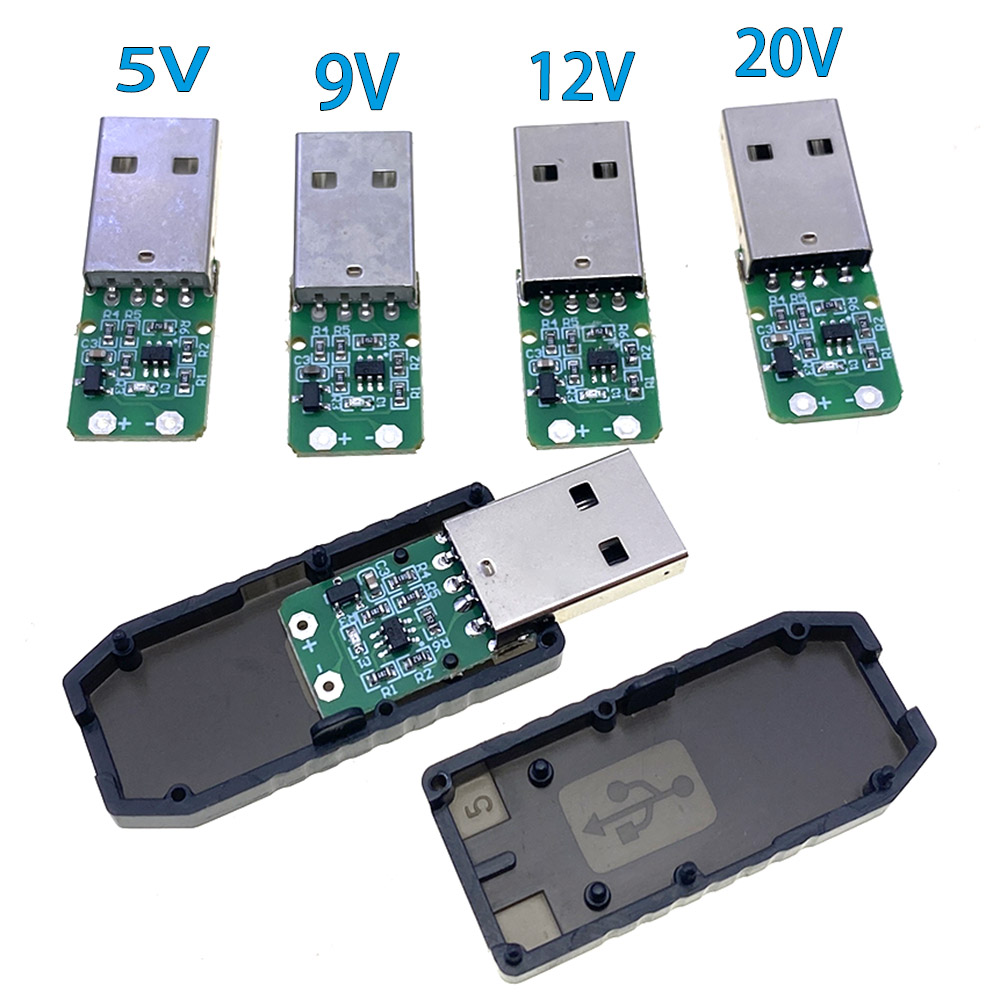
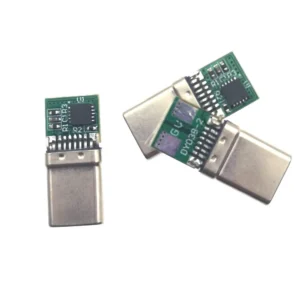
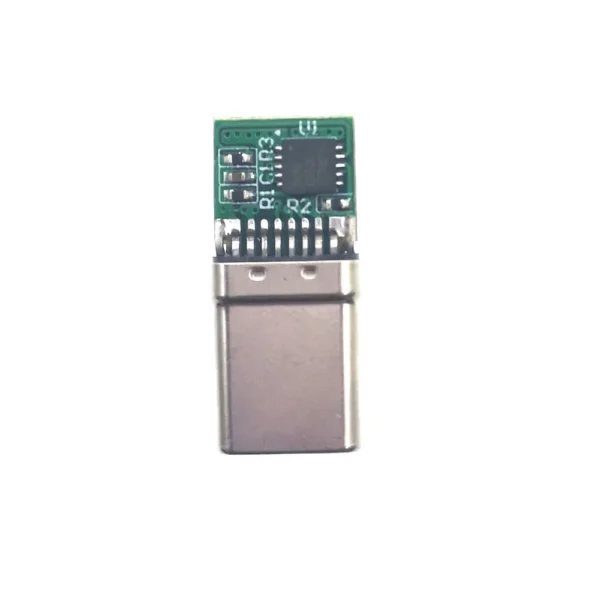
Fast charging QC2.0/3.0 decoy trigger board induction line motherboard 5V 9V 12V 20V power supply replaces boost board with shell
Product overview
- Product type
- Configurable product with multiple options
- Minimum order
- 100 pcs
- Volume pricing
- 200+ pcs: 10% off
- Options
- Model: With casing 5V, With casing 9V, With casing 12V, With casing 15V, With casing 20V
- Customization
- OEM/ODM, custom length, connector, colour and packing
- Payment
- T/T bank transfer; card payments where available
- Shipping
- DHL, FedEx, UPS or freight forwarder from China
More from HBXINTAO
View all products → 5.5*2.1mm/5.…
$0.53
MOQ 100 pcs
 2P 3P 4P 5P …
Price range: $0.72 through $4.47
MOQ 100 pcs
 Waterproof 1…
Price range: $0.66 through $0.72
MOQ 100 pcs
 10/16mm/17mm…
Price range: $1.91 through $2.63
MOQ 100 pcs
 EC5 Male Fem…
Price range: $1.65 through $4.77
MOQ 100 pcs
 FA021A-69 Sw…
Price range: $3.95 through $4.28
MOQ 100 pcs
 2A 12Pin 20P…
Price range: $5.92 through $6.58
MOQ 50 pcs
 XT30 XT60 XT…
Price range: $0.92 through $2.96
MOQ 100 pcs
 500g Copper …
Price range: $14.15 through $16.78
MOQ 10 pcs
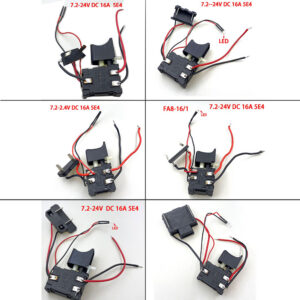 Electric Dri…
Price range: $1.65 through $8.56
MOQ 100 pcs
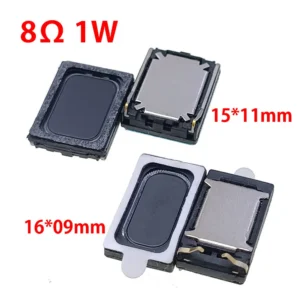 Shrapnel Hor…
Price range: $0.43 through $0.46
MOQ 300 pcs
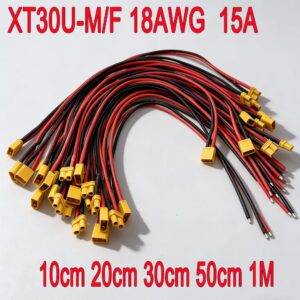 10CM-1M XT30…
Price range: $0.59 through $1.32
MOQ 200 pcs
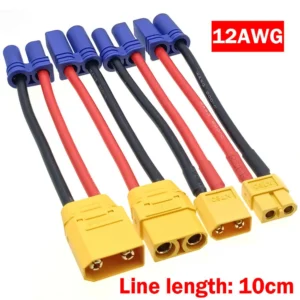 RC Car EC5 C…
Price range: $1.15 through $1.81
MOQ 100 pcs
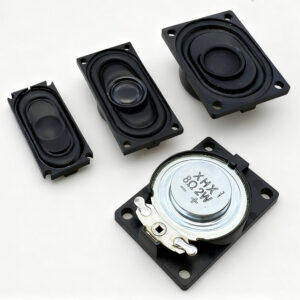 Speaker 1635…
Price range: $0.43 through $0.86
MOQ 300 pcs
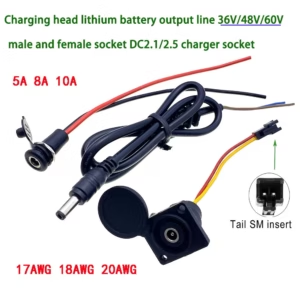 Electric Bic…
Price range: $0.53 through $0.99
MOQ 200 pcs
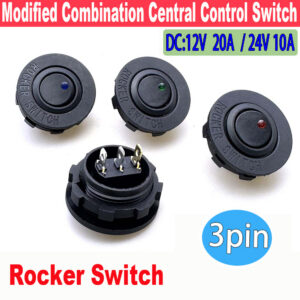 On/Off Round…
$0.86
MOQ 100 pcs
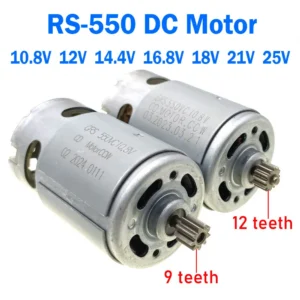
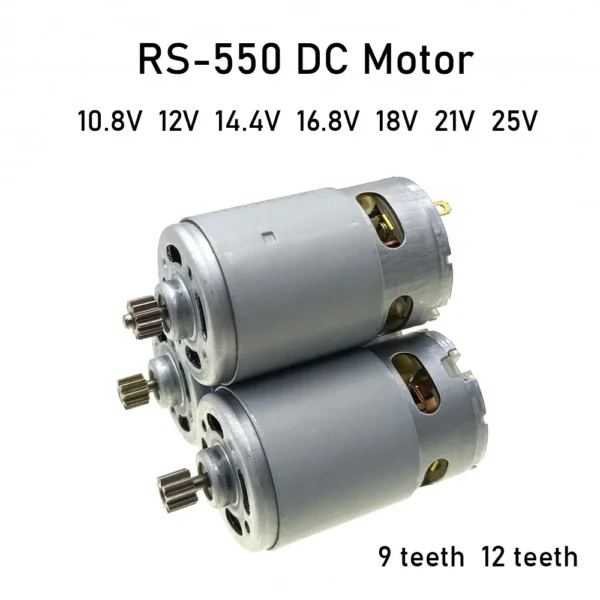
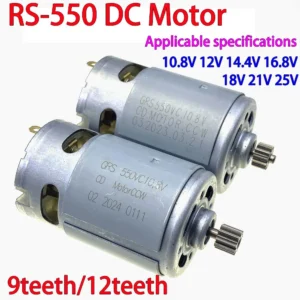 RS550 DC Mot…
Price range: $3.62 through $6.58
MOQ 100 pcs
 12AWG XT60 M…
Price range: $0.82 through $3.13
MOQ 100 pcs
 DC Magnetic …
Price range: $2.21 through $2.54
MOQ 100 pcs
 1kg/roll Ena…
Price range: $32.91 through $42.78
MOQ 6 pcs
Description
Overview
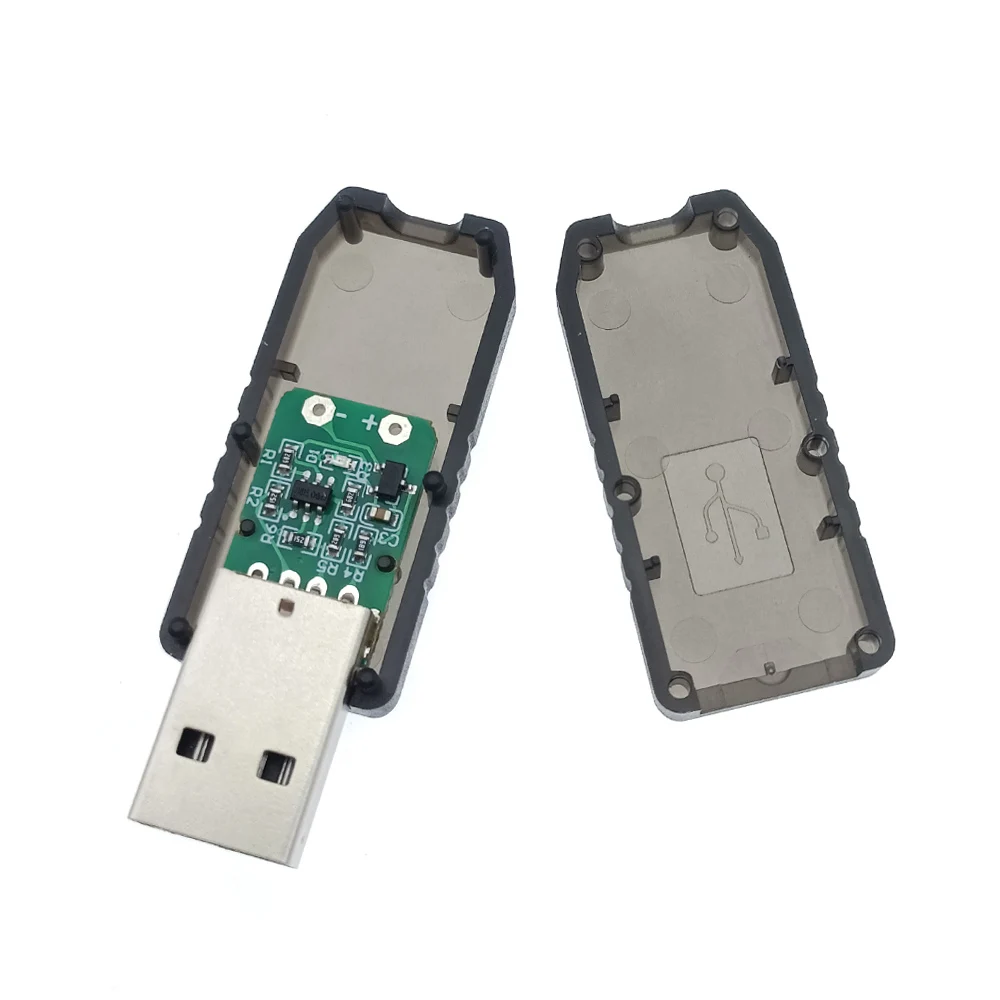
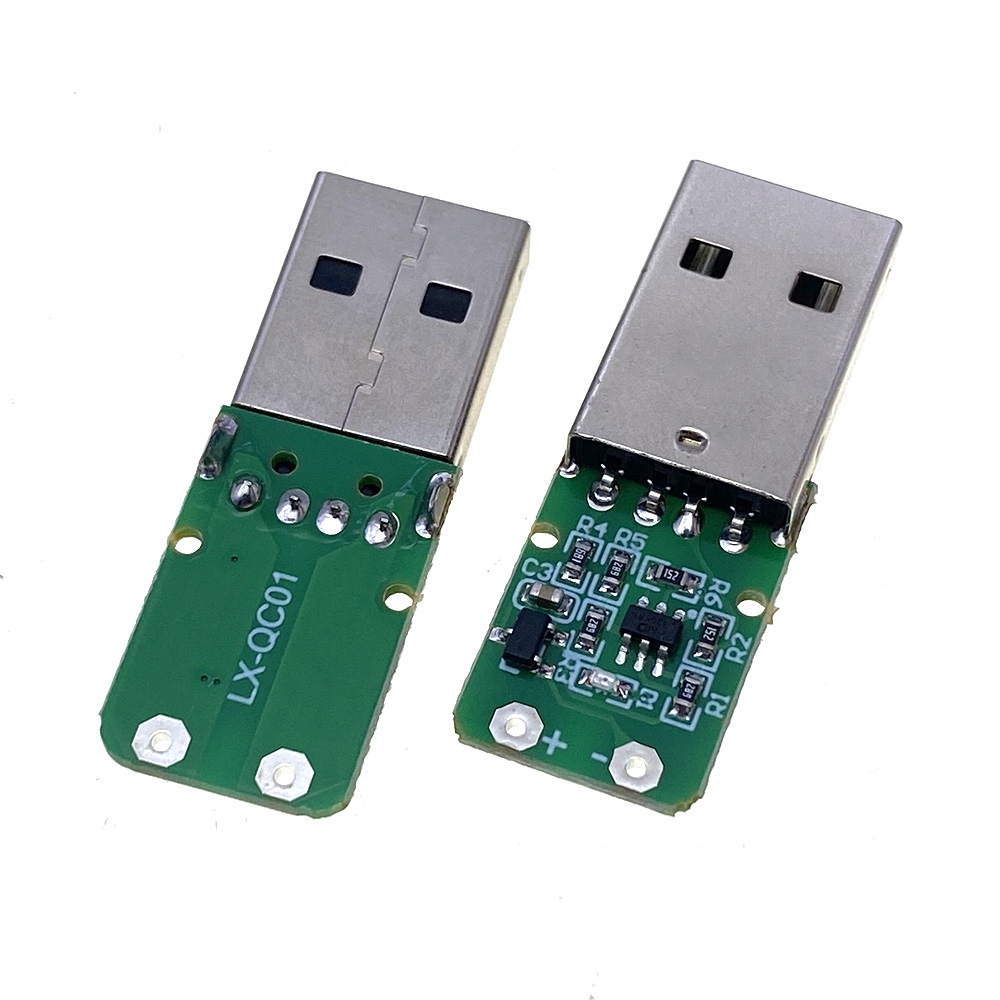
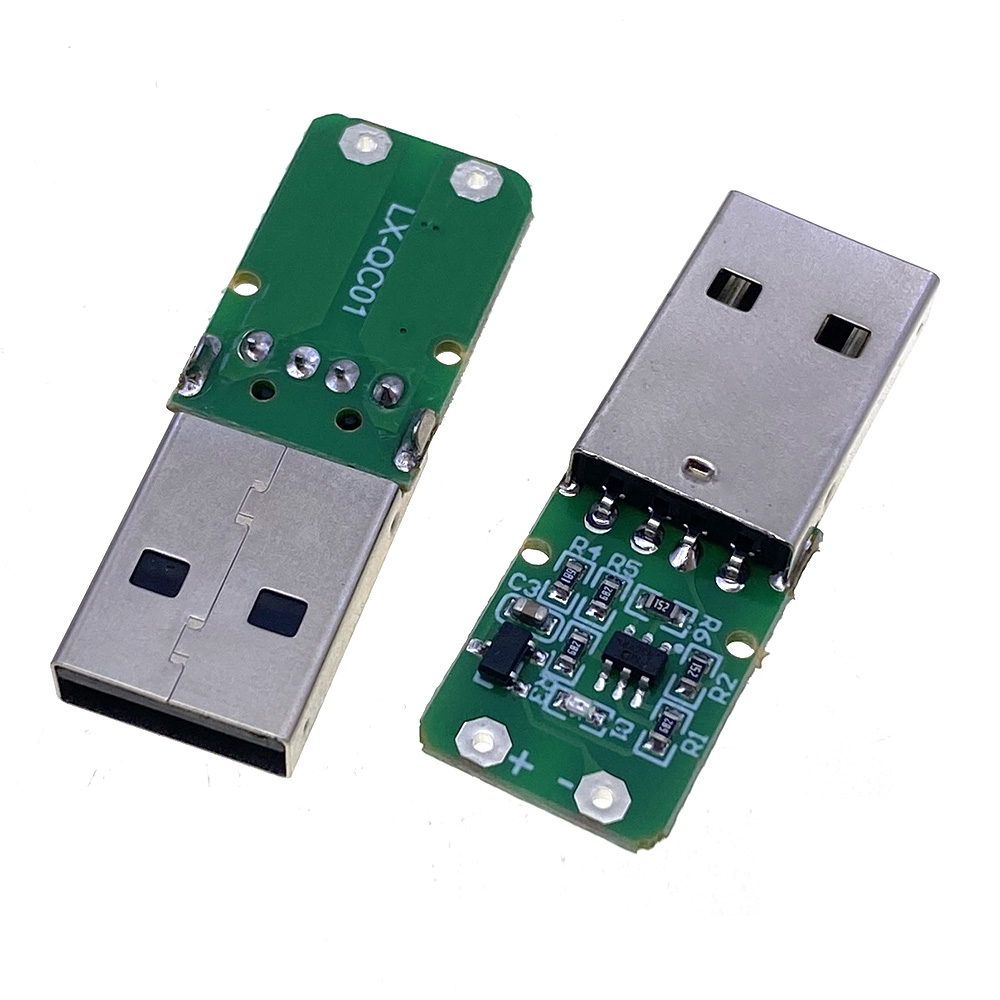
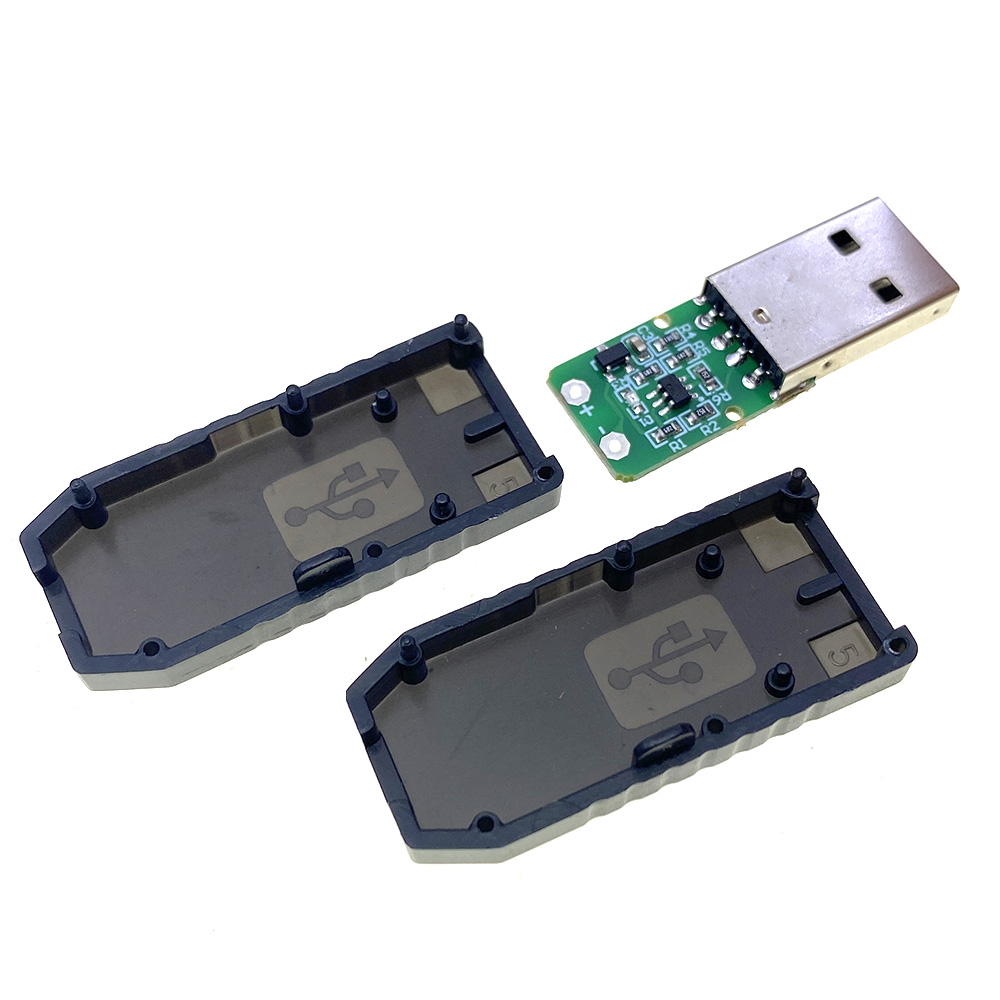
QC2.0 / QC3.0 decoy trigger board with USB 2.0 male plug and an enclosed housing. It requests a specific voltage — 5V, 9V, 12V, 15V or 20V — from a Quick Charge capable charger or power bank, so a fixed-voltage device can be powered from it.
Specifications
- Trigger output: 5V / 9V / 12V / 15V / 20V (one fixed voltage per board)
- Protocol: QC2.0 / QC3.0
- Interface: USB 2.0 male plug
- Housing: enclosed casing
- Function: replaces a boost converter for fixed-voltage loads
Purpose
Many QC chargers can output 9V, 12V or 20V but only do so when a device asks. This board does the asking, turning a phone charger into a fixed 12V or 20V supply. For devices that draw under about 2A, it is a cheaper and smaller alternative to a boost converter.
Applications
- Powering 9V / 12V / 20V devices from QC chargers
- Portable router, radio and access-point power
- Bench testing fixed-voltage equipment
- DIY projects replacing a boost module
How to Use
- Choose the board with the voltage your device requires — the output is fixed, not adjustable.
- Plug the board into a charger or power bank that genuinely supports Quick Charge. A plain 5V source cannot be triggered and will only supply 5V.
- Connect your device to the output, observing polarity.
- Keep the load within what the charger can deliver at that voltage (typically 2A).
- Check the output with a meter before connecting an expensive device.
Need help specifying this connector?
Use our practical guides for current and wire selection, connector validation and OEM harness drawings.
Additional information
| Weight | N/A |
|---|---|
| Dimensions | N/A |
| Model | With casing 5V, With casing 9V, With casing 12V, With casing 15V, With casing 20V |
Only logged in customers who have purchased this product may leave a review.
Buying FAQ
What is the minimum order quantity?
The minimum order quantity is 100 pcs.
How does tiered pricing work?
The unit price is adjusted automatically by quantity: from 200 pcs: 10% off. The final price is confirmed in the quotation.
Can you customize this product?
Yes. We support OEM/ODM, custom wire length, connector type, colour, packing and cable assemblies. Send a drawing, sample or photo for evaluation.
How do I request a quotation?
Use the quote form on this page, WhatsApp +86 15521787718, WeChat yieying_01 or email 298273997@qq.com. We reply within one business day.
What payment methods do you accept?
We accept T/T bank transfer. Card or local payment methods may be available through our payment partner, subject to the destination and order value.
What is the lead time?
Lead time is confirmed in the quotation. For custom or OEM orders, we normally approve a sample before bulk production.
Related products
-
100g Red Magnet Wire 0.16 0.2 0.35 0.8 0.9mm QA-1-155 Enameled Copper Wire Magnetic Coil Winding For Electric Machine Inductance
Red enameled magnet wire in 100g spools for winding coils, chokes and machine windings. MOQ 10 pcs · up to 10% off Price range: $4.94 through $10.20 -
XT60 XT90 EC5 To 5V Connector DC20-90V Step Down Module PD65W PD/QC3.0 QC2.0 Double USB Type-C Mobile Phone Quick Charge Adapter
DC 20–90V to 5V step-down module with dual Type-C PD65W and QC3.0 output, fed from XT60 / XT90 / EC5 packs. E-bike phone and laptop charging. MOQ 50 pcs · up to 10% off Price range: $12.67 through $14.81 -
DC ELectric Motor RS550 9 Teeth 12 Teeth 10.8V 12V 14.4V 16.8V 18V 21V 25V Screwdriver Drill Motor with High Torque Gear Box
An RS550 brushed DC motor with a high-torque reduction gearbox, sized as a replacement drive for cordless screwdrivers and drills. MOQ 100 pcs · up to 10% off Price range: $3.64 through $6.58 -
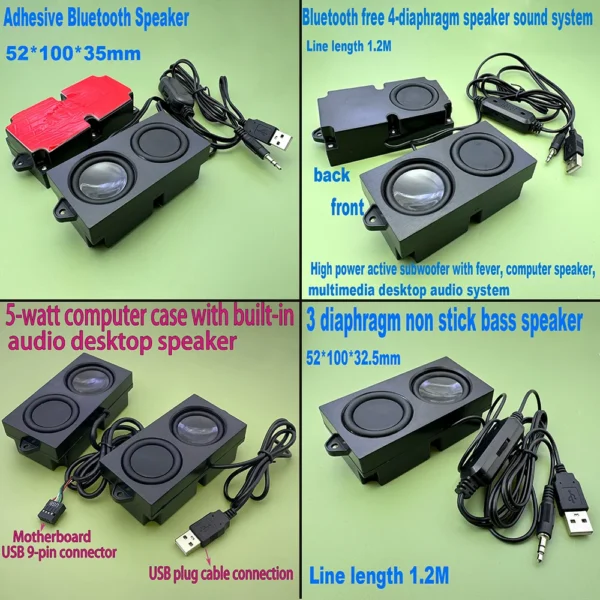
USB small soundbos Stereo mega bass portable speaker computer advertising LCD audio multimedia desktop audio DIY small speaker
A compact USB sound box in eight model codes, 046A through 046J-1, built as a stereo mini speaker for computer audio. MOQ 50 pcs · up to 10% off Price range: $5.59 through $8.56 -
RX500 wireless receiving module, high sensitivity, low power consumption, 433MHz module, long-distance receiving module
An RX500 wireless receiving module built for the 433MHz band. MOQ 200 pcs · up to 10% off $0.39 -
XT60 T Plug to JST Female Plug Direct Insertion Power Adapter for Lipo Connector of Remote Control Battery Model Accessories
A one-piece adapter joining an XT60 or T-plug battery connector to a JST female socket, with no cable between them. MOQ 200 pcs · up to 10% off $0.89 -
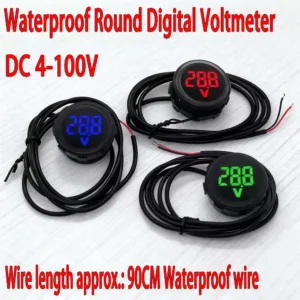
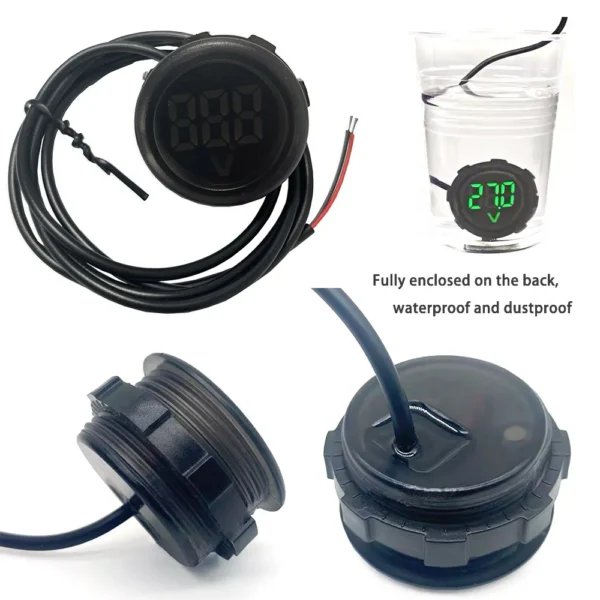
Circular digital voltmeter,two-wire DC 4-100V digital voltmeter,universal for electric vehicle batteries and lithium batteries
A circular two-wire digital voltmeter reading DC 4-100V on an LED digit display. MOQ 100 pcs · up to 10% off $2.80 -
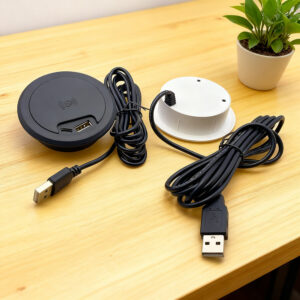
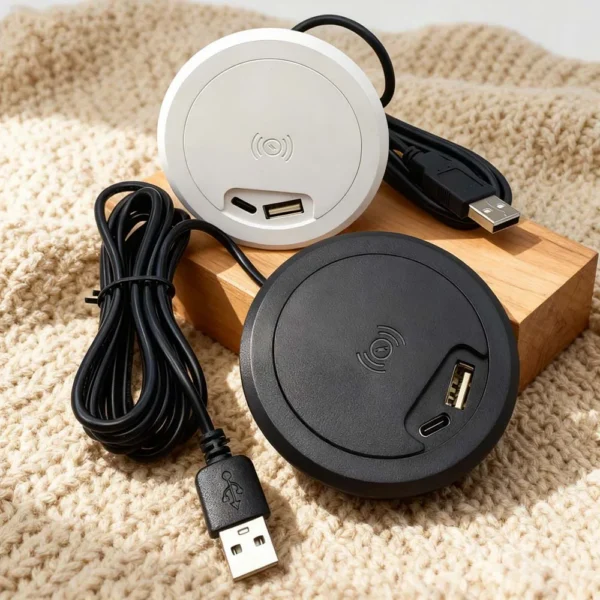
15W Wireless Charge Connector USB+Type-C Quick Charge Connector Built in Desktop Device Round Hole 60mm Circular Embedded Adapte
A circular charging module that recesses into a desktop so the point sits flush with the work surface. MOQ 50 pcs · up to 10% off $10.37 -
Suitable for Bosch GSR120-LI 10.8V Lithium Drill Charging Drill Switch Positive and Negative Speed Control Switch DC7.2-24V 8-16
Trigger switch for the Bosch GSR120-LI 10.8V lithium drill driver, handling both speed control and forward and reverse selection. MOQ 100 pcs · up to 10% off $3.29 -
Type-C PD2.0 PD3.0 QC to DC 9V 12V 15V 20V Spoof Scam Fast Charge Trigger Polling Detector USB-C PD Supply male plug connector
USB-C PD2.0 / PD3.0 and QC trigger with fixed DC output at 5V, 9V, 12V, 15V or 20V. Turns a PD charger into a fixed-voltage supply. MOQ 100 pcs · up to 10% off $0.76 -
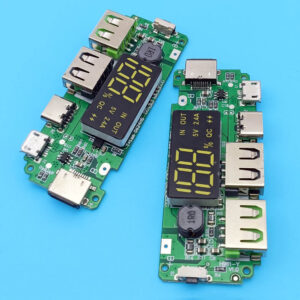
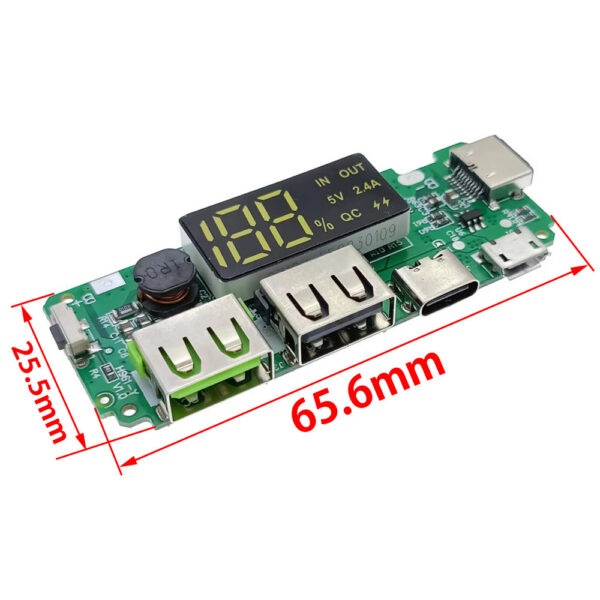
Lithium Battery Charger Board LED Dual USB 5V 2.4A Micro or Type-C USB Mobile Power Bank 18650 Charging Module
MOQ 100 pcs · up to 10% off $1.65 -
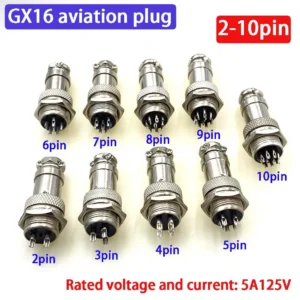
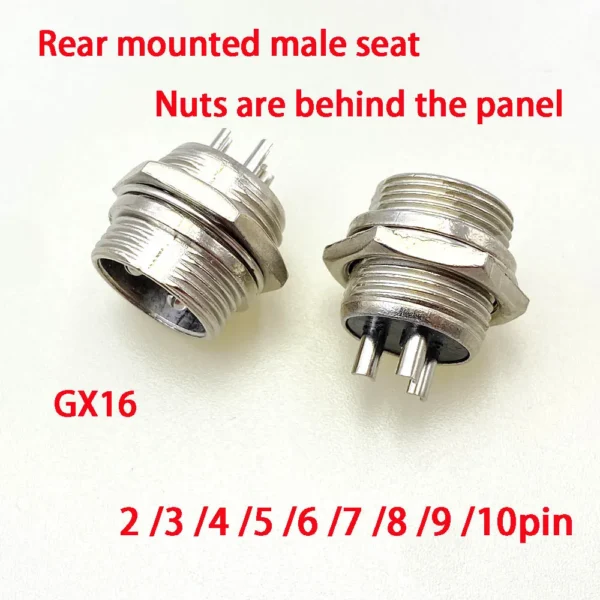
Male-Female Connector GX16 Metal Aviation Socket Coupler2/3/4/5/6/7/8/9 Core Pin Electric Cable Terminal Fixed Butt Mobile Type
GX16 metal-shell aviation connector set: male plug plus female socket, for cable-to-cable and panel joints from 2 to 10 pins. MOQ 100 pcs · up to 10% off Price range: $0.21 through $1.12

Reviews
There are no reviews yet.