
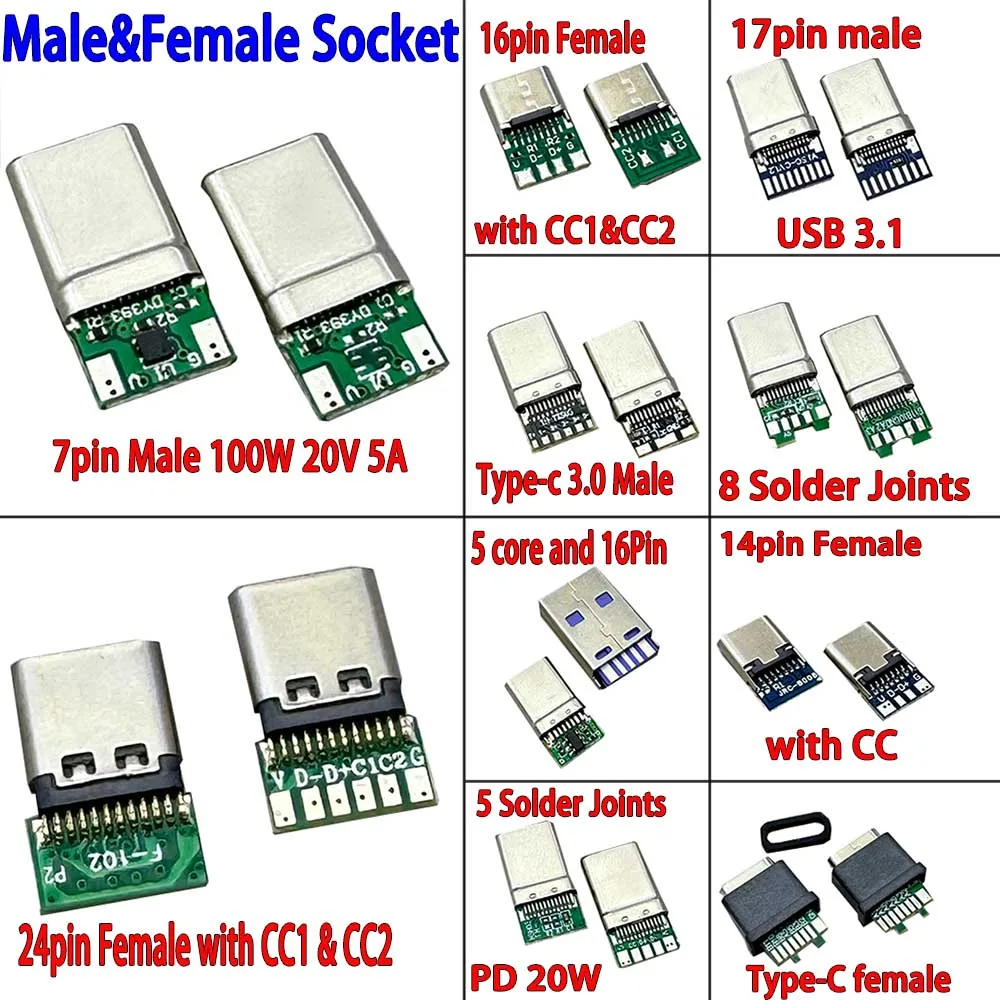
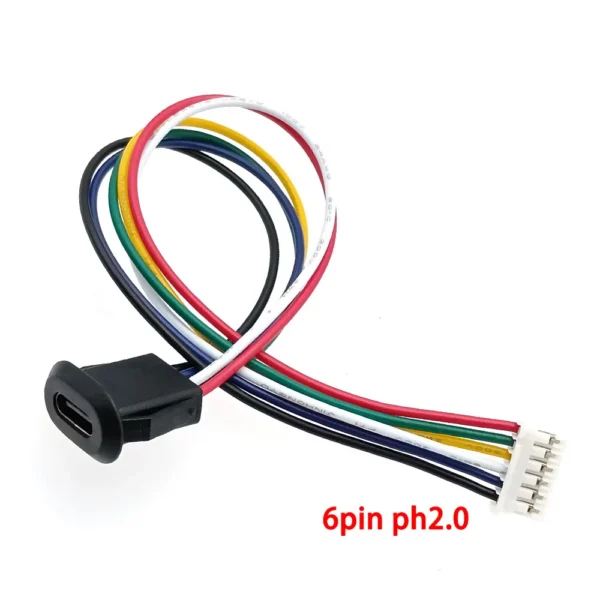
USB 3.1 Type-C Connector 14pin-24 Pins Male / Female Socket Receptacle Adapter to Solder Wire & Cable Support PCB Board
Price range: $0.12 through $0.82
Minimum order quantity: 300 pcs
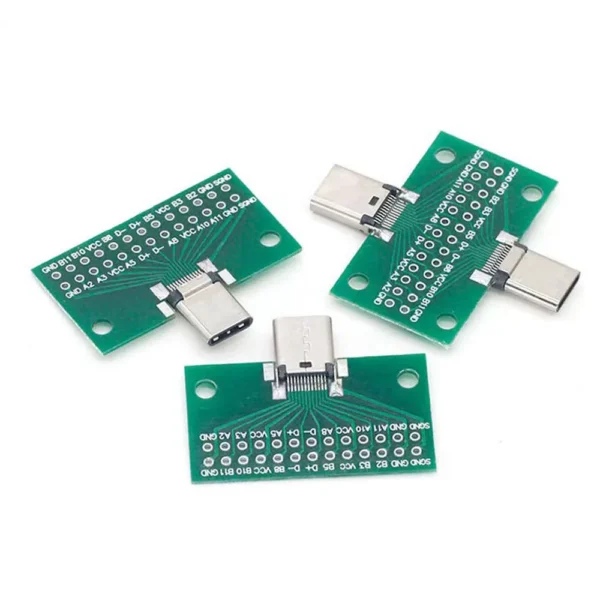
Loose USB Type-C plugs and receptacles for building or repairing your own cable ends and board inputs.
Product overview
- Product type
- Configurable product with multiple options
- Minimum order
- 300 pcs
- Volume pricing
- 600+ pcs: 10% off
- Options
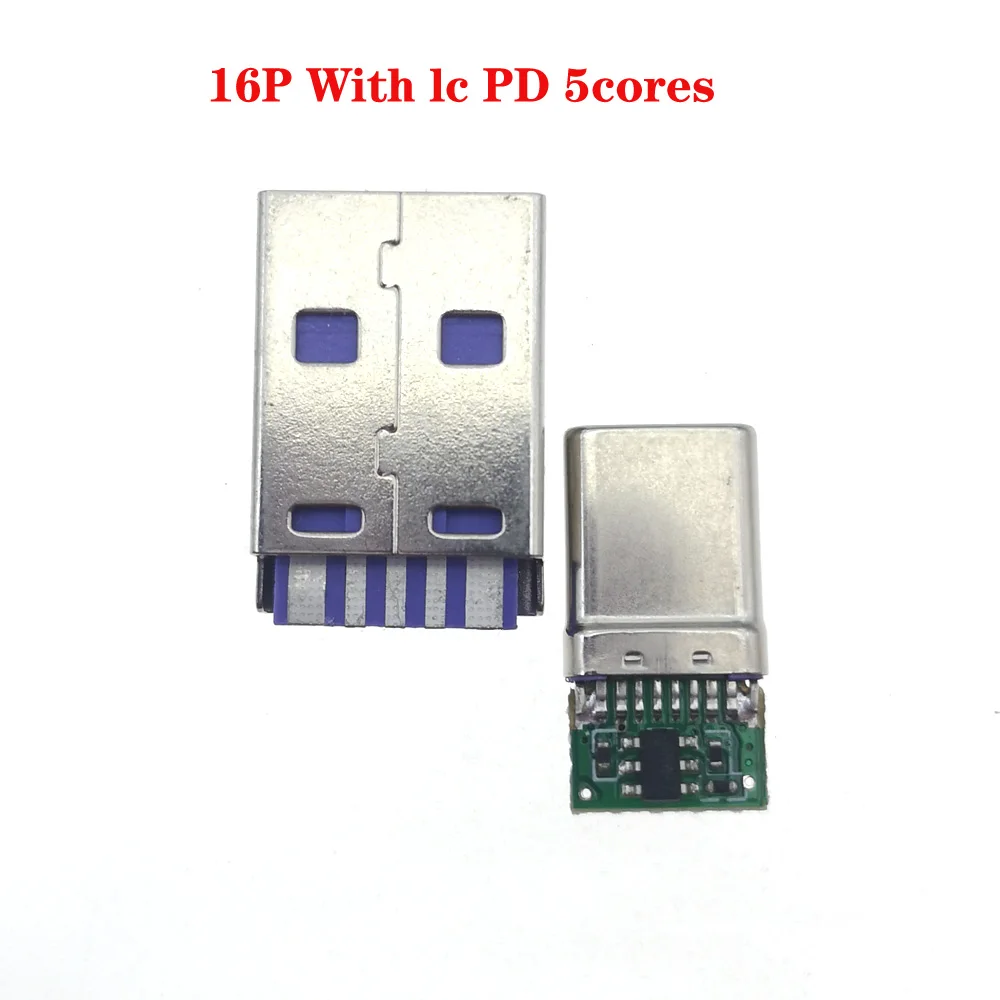
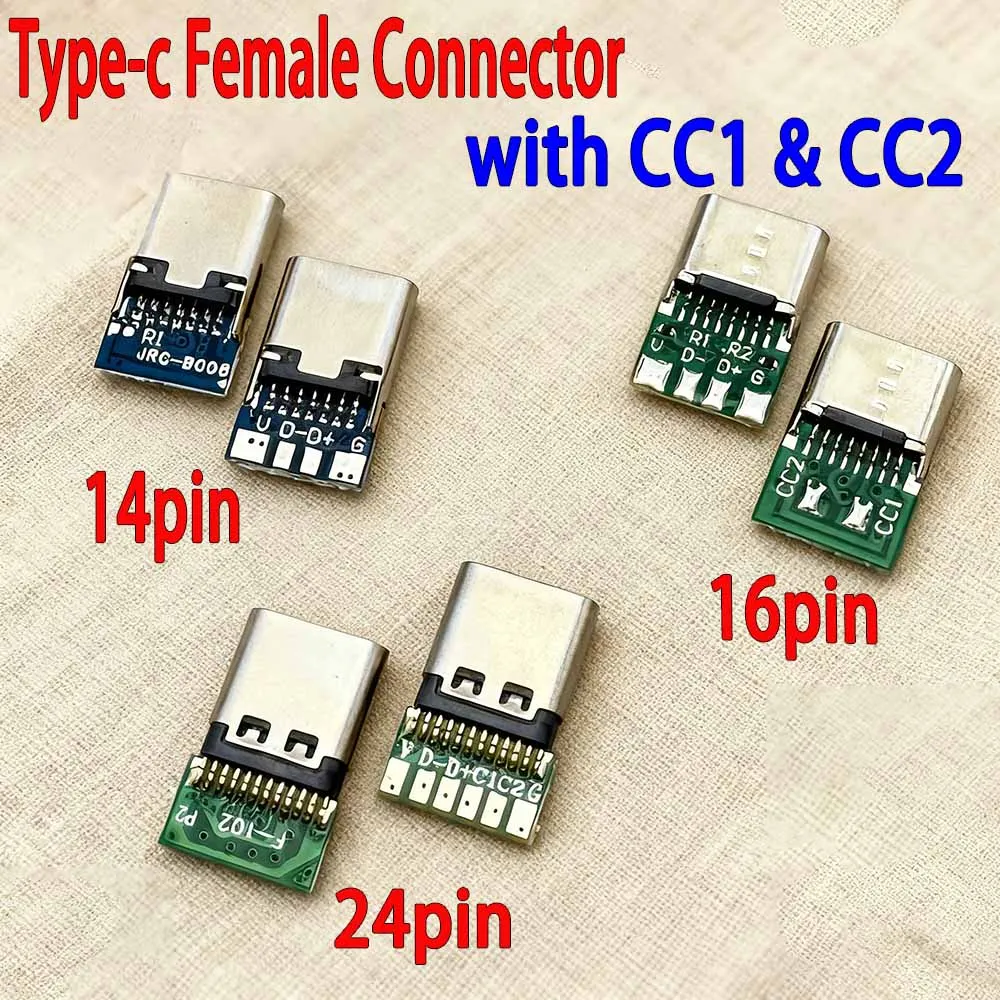
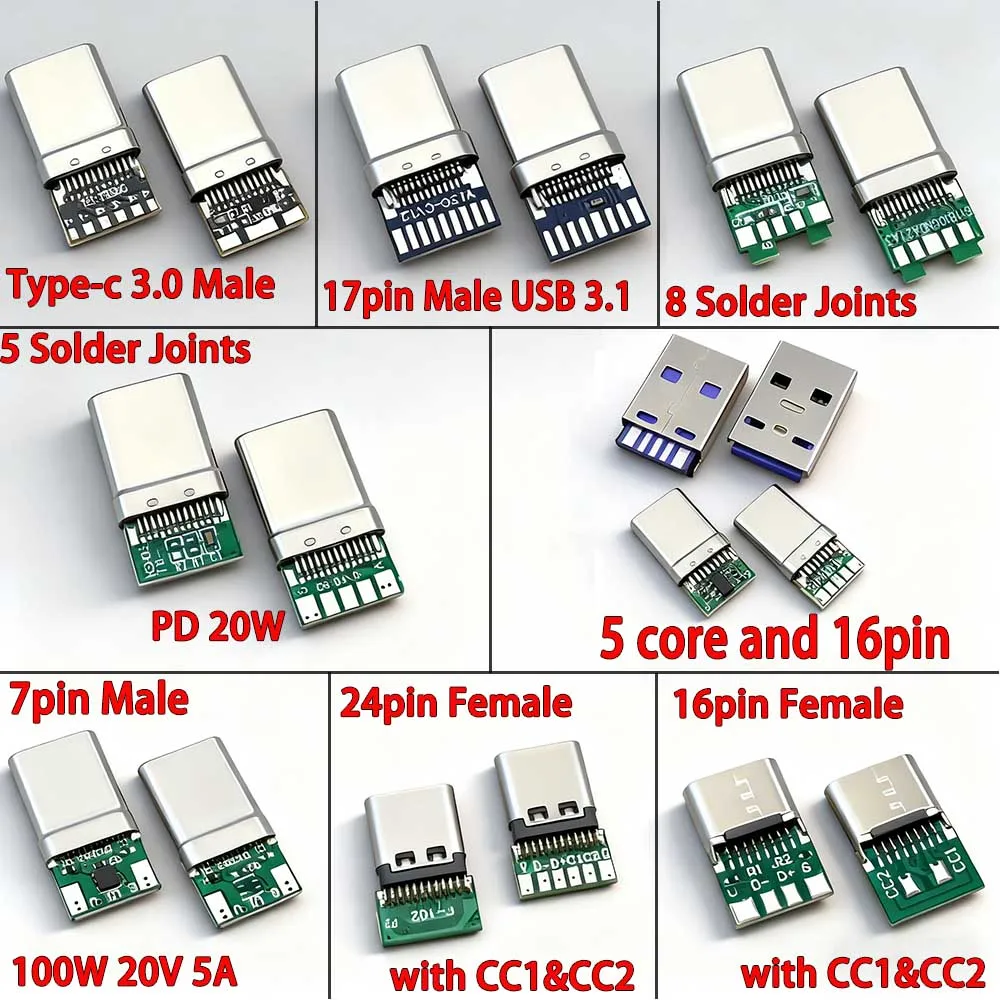
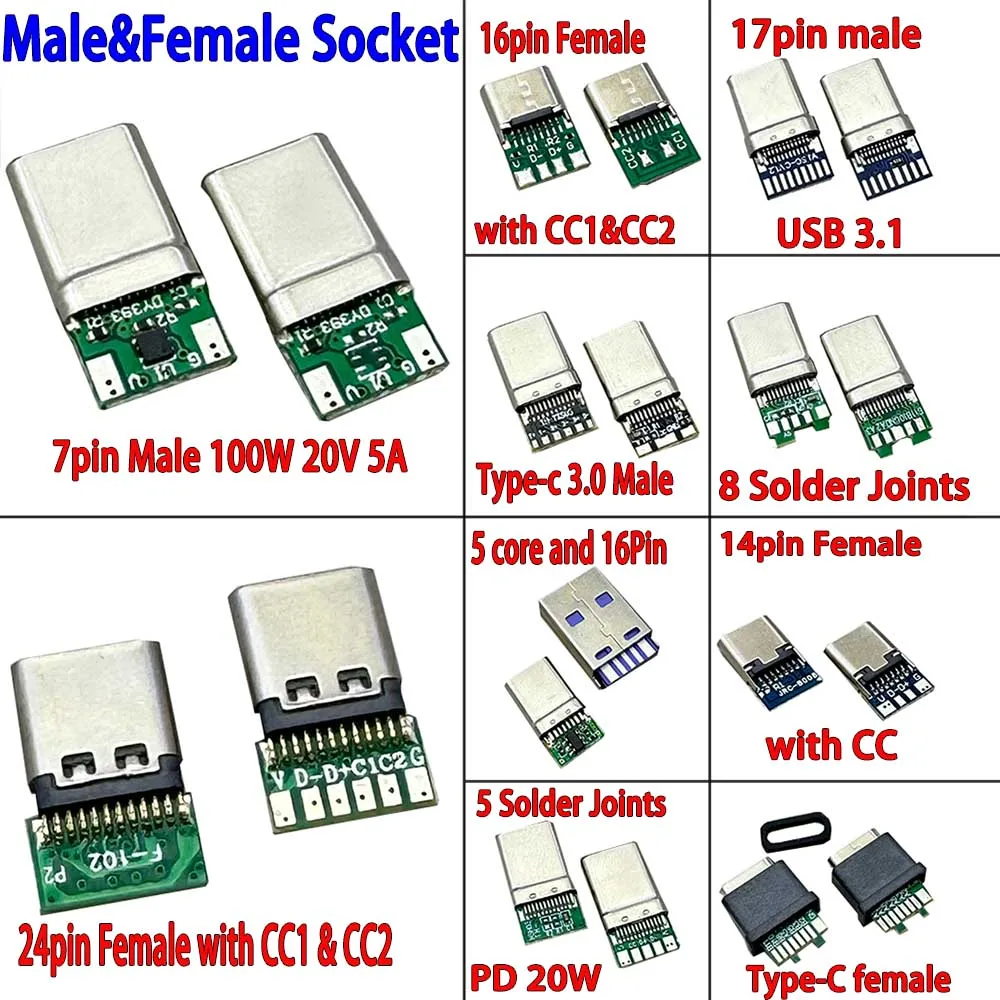
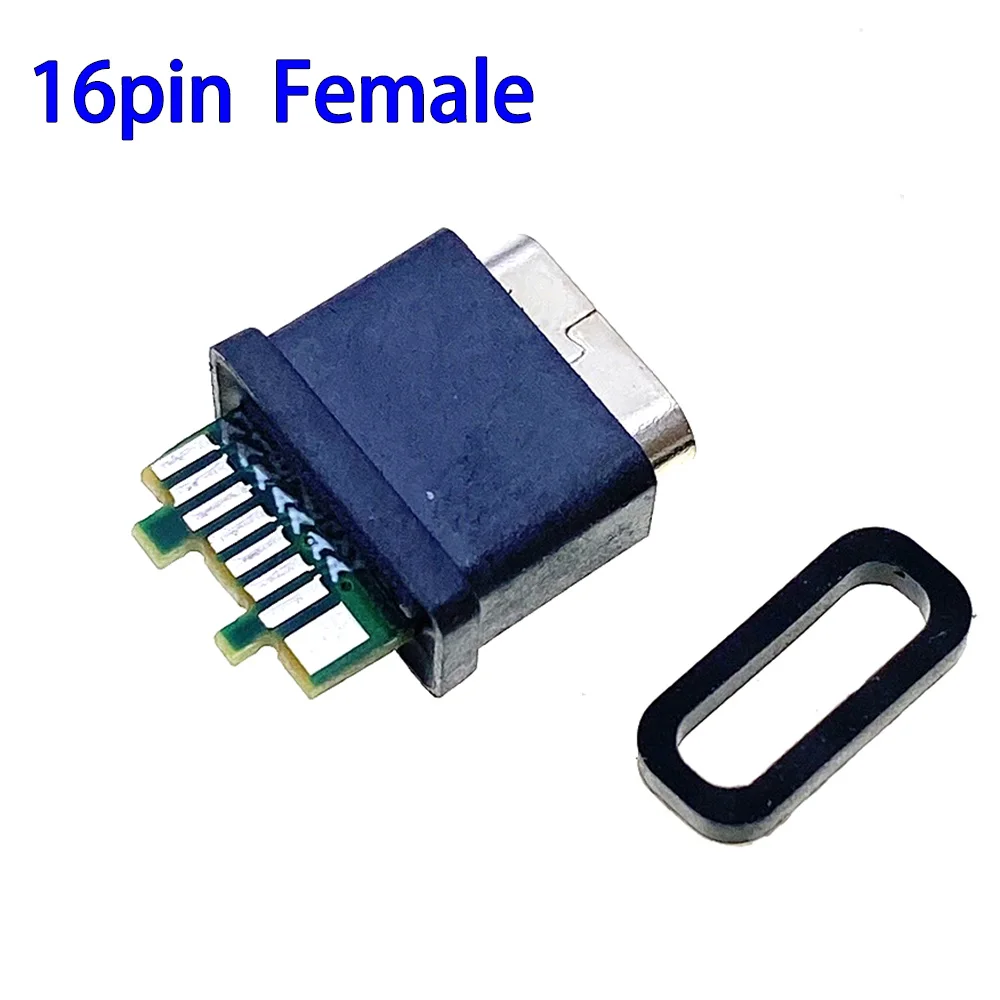
- Model: Type-c 3.0 Male, 14pin Female, 16pin Female, 24pin Female, 5 core and 16Pin, 8 Solder Joints
- Customization
- OEM/ODM, custom length, connector, colour and packing
- Payment
- T/T bank transfer; card payments where available
- Shipping
- DHL, FedEx, UPS or freight forwarder from China
More from HBXINTAO
View all products →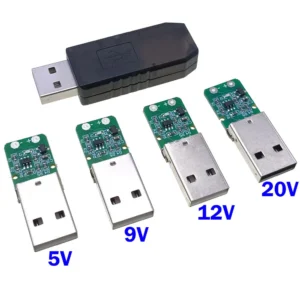 QC To 5V 9V …
$0.82
MOQ 100 pcs
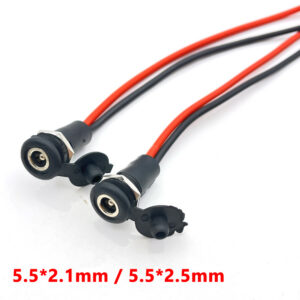 5.5*2.1mm/5.…
$0.53
MOQ 100 pcs
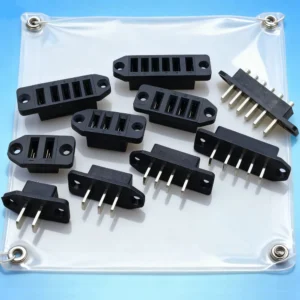 2P 3P 4P 5P …
Price range: $0.72 through $4.47
MOQ 100 pcs
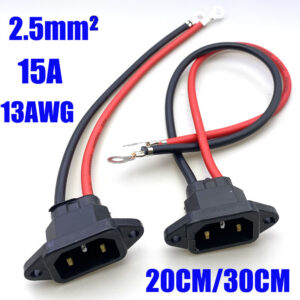 Waterproof 1…
Price range: $0.66 through $0.72
MOQ 100 pcs
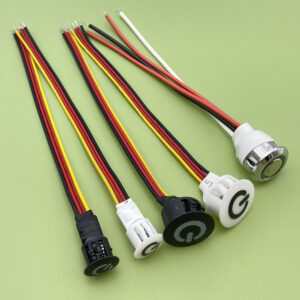 10/16mm/17mm…
Price range: $1.91 through $2.63
MOQ 100 pcs
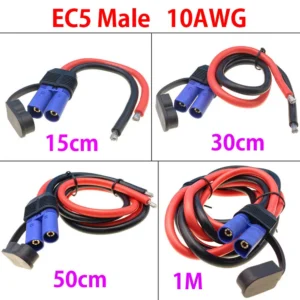 EC5 Male Fem…
Price range: $1.65 through $4.77
MOQ 100 pcs
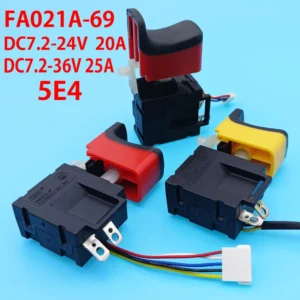 FA021A-69 Sw…
Price range: $3.95 through $4.28
MOQ 100 pcs
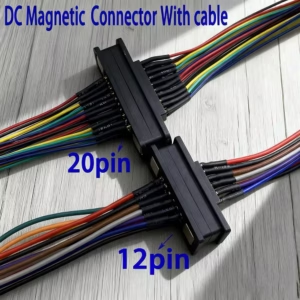 2A 12Pin 20P…
Price range: $5.92 through $6.58
MOQ 50 pcs
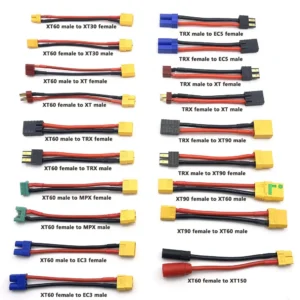 XT30 XT60 XT…
Price range: $0.92 through $2.96
MOQ 100 pcs
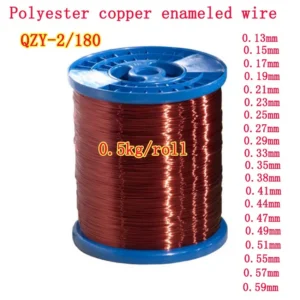 500g Copper …
Price range: $14.15 through $16.78
MOQ 10 pcs
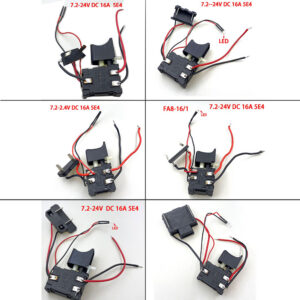 Electric Dri…
Price range: $1.65 through $8.56
MOQ 100 pcs
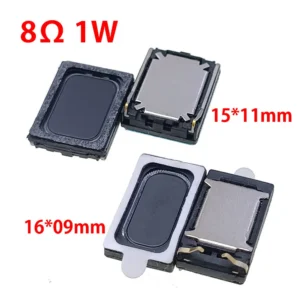 Shrapnel Hor…
Price range: $0.43 through $0.46
MOQ 300 pcs
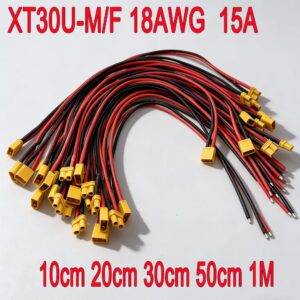 10CM-1M XT30…
Price range: $0.59 through $1.32
MOQ 200 pcs
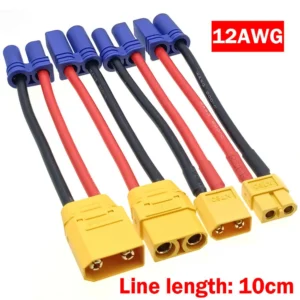 RC Car EC5 C…
Price range: $1.15 through $1.81
MOQ 100 pcs
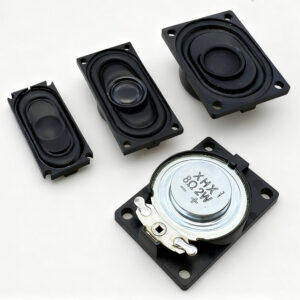 Speaker 1635…
Price range: $0.43 through $0.86
MOQ 300 pcs
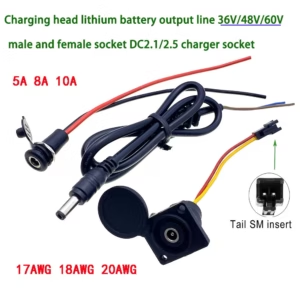 Electric Bic…
Price range: $0.53 through $0.99
MOQ 200 pcs
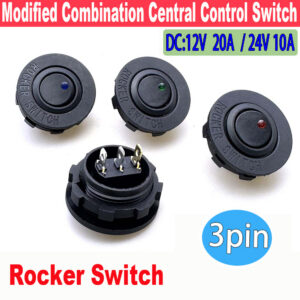 On/Off Round…
$0.86
MOQ 100 pcs
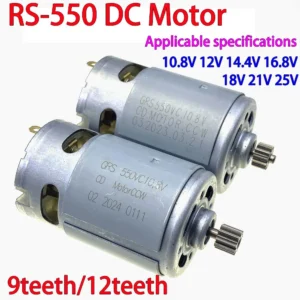 RS550 DC Mot…
Price range: $3.62 through $6.58
MOQ 100 pcs
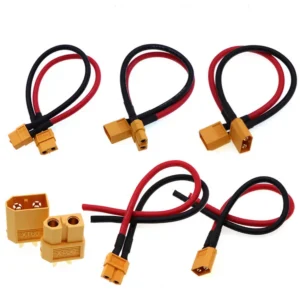 12AWG XT60 M…
Price range: $0.82 through $3.13
MOQ 100 pcs
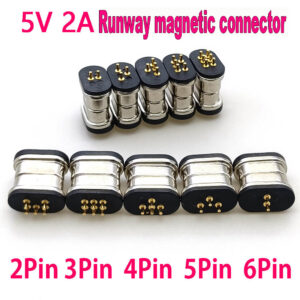 DC Magnetic …
Price range: $2.21 through $2.54
MOQ 100 pcs
Description
Overview
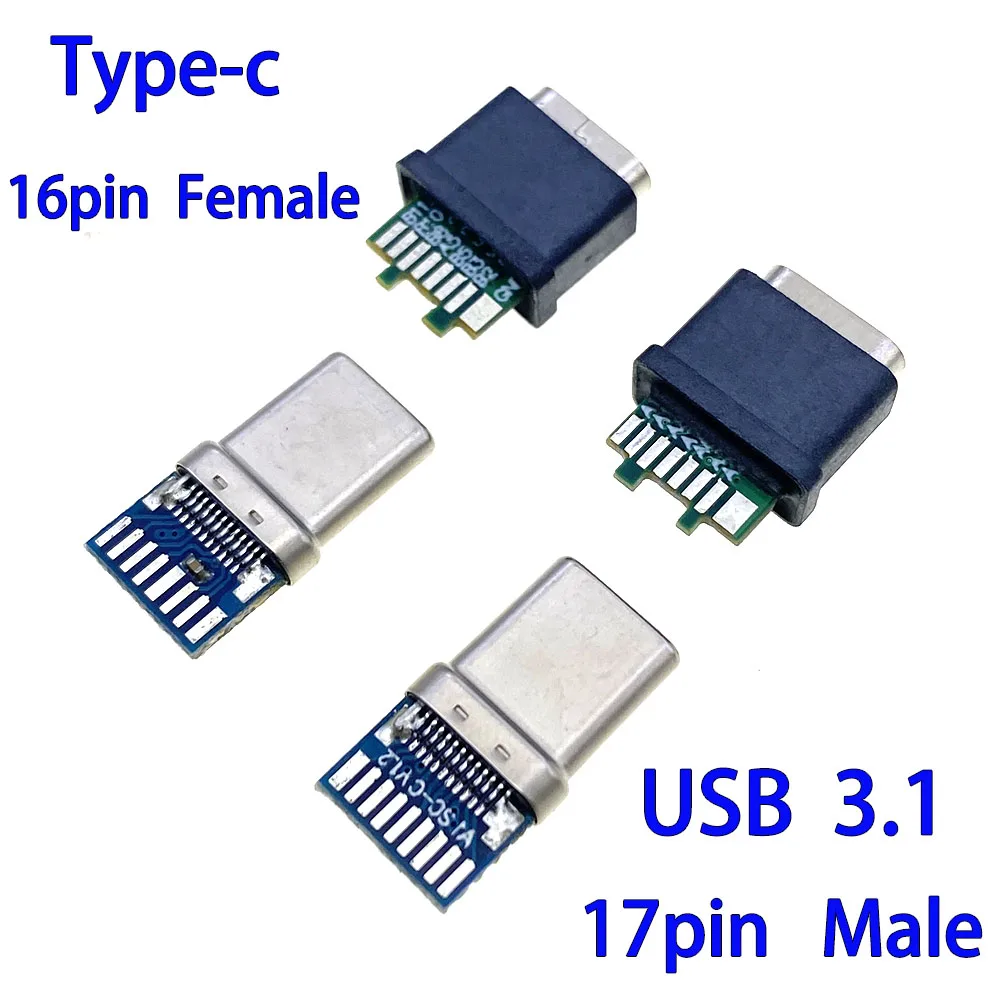
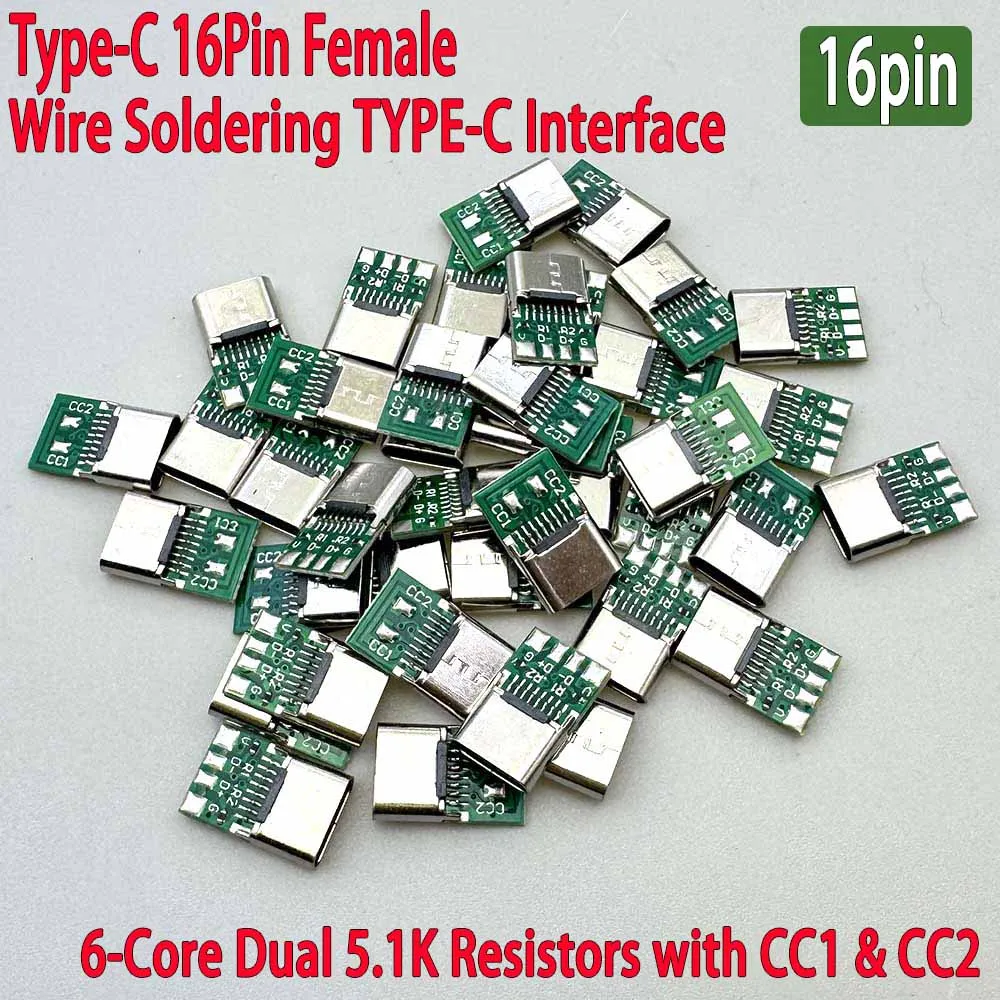
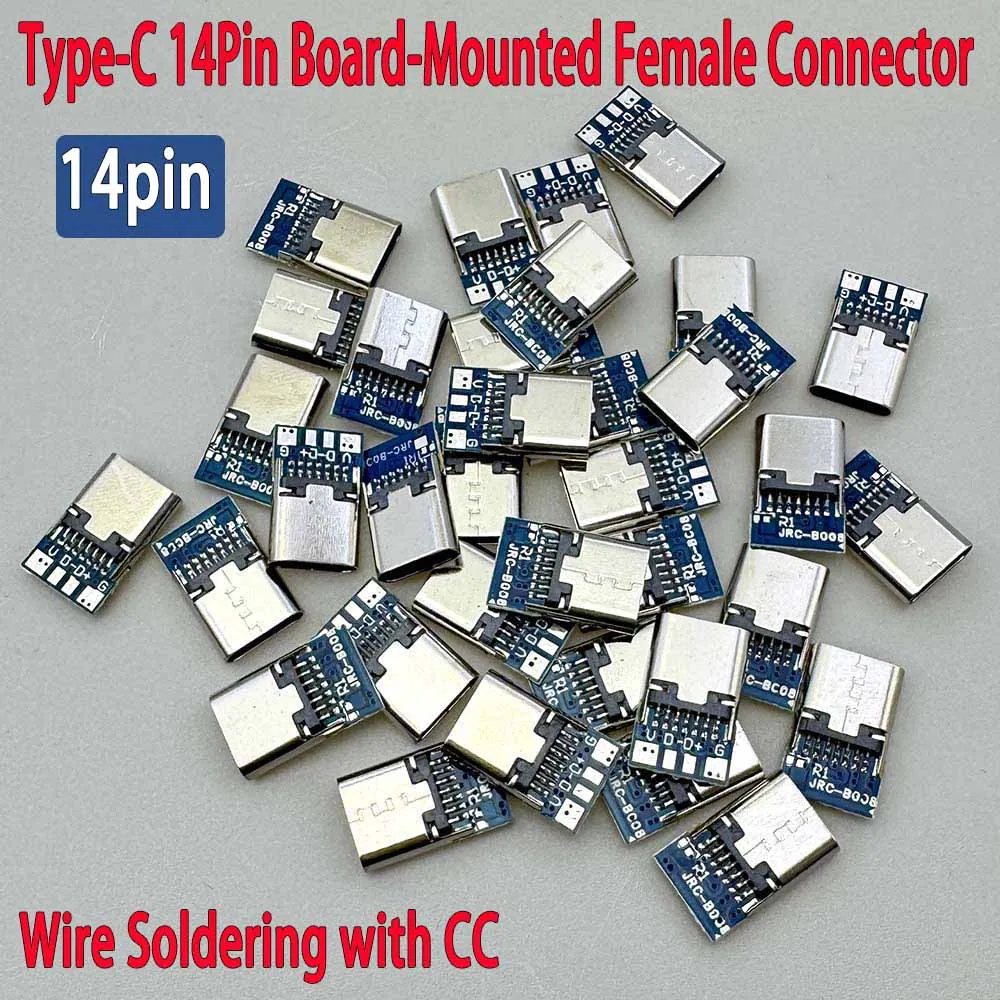
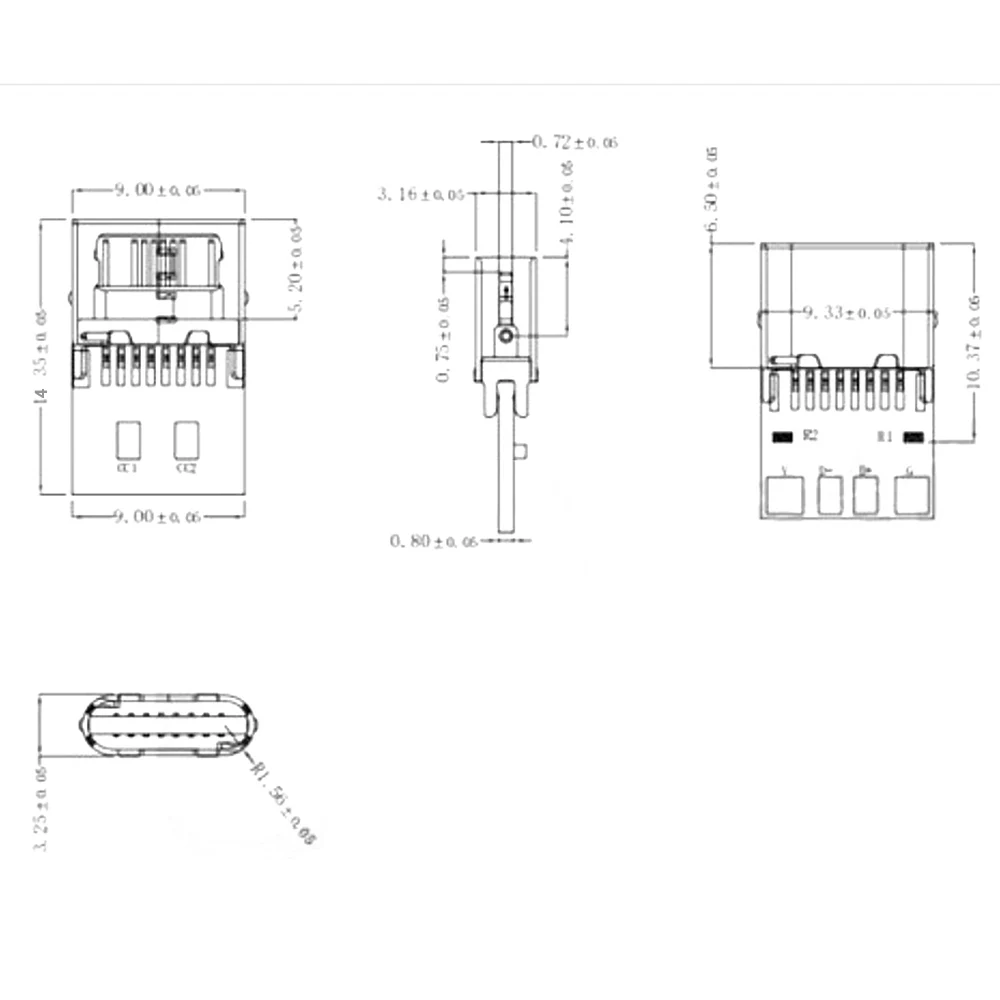
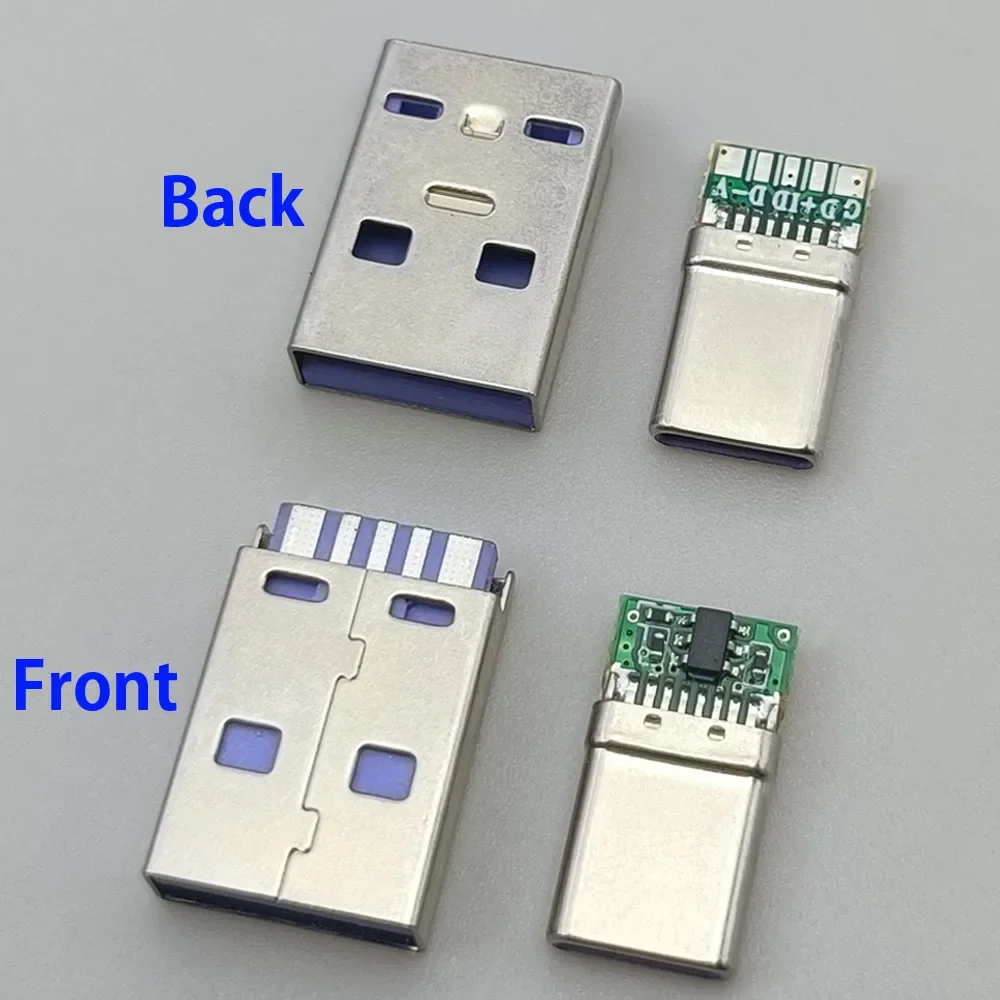
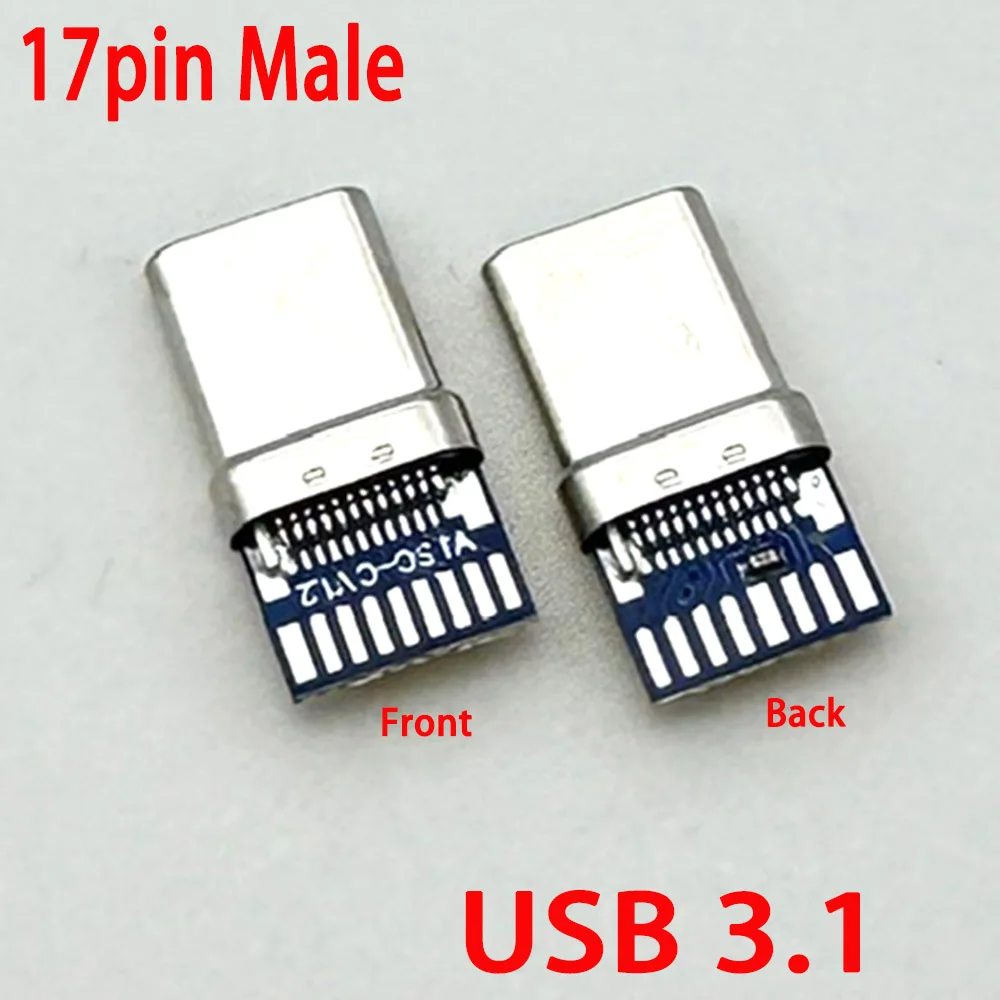
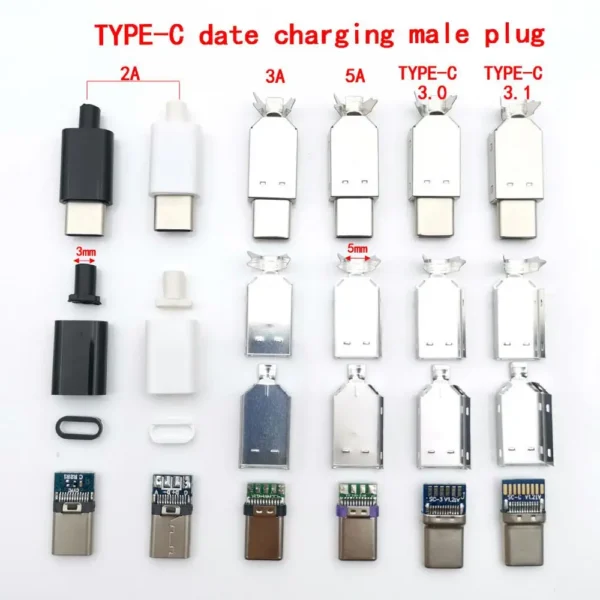
Loose USB Type-C plugs and receptacles for building or repairing your own cable ends and board inputs. The range runs from 14-pin and 16-pin female sockets up to 17-pin male and 24-pin female parts, in PCB-mount and wire-solder forms.
Specifications
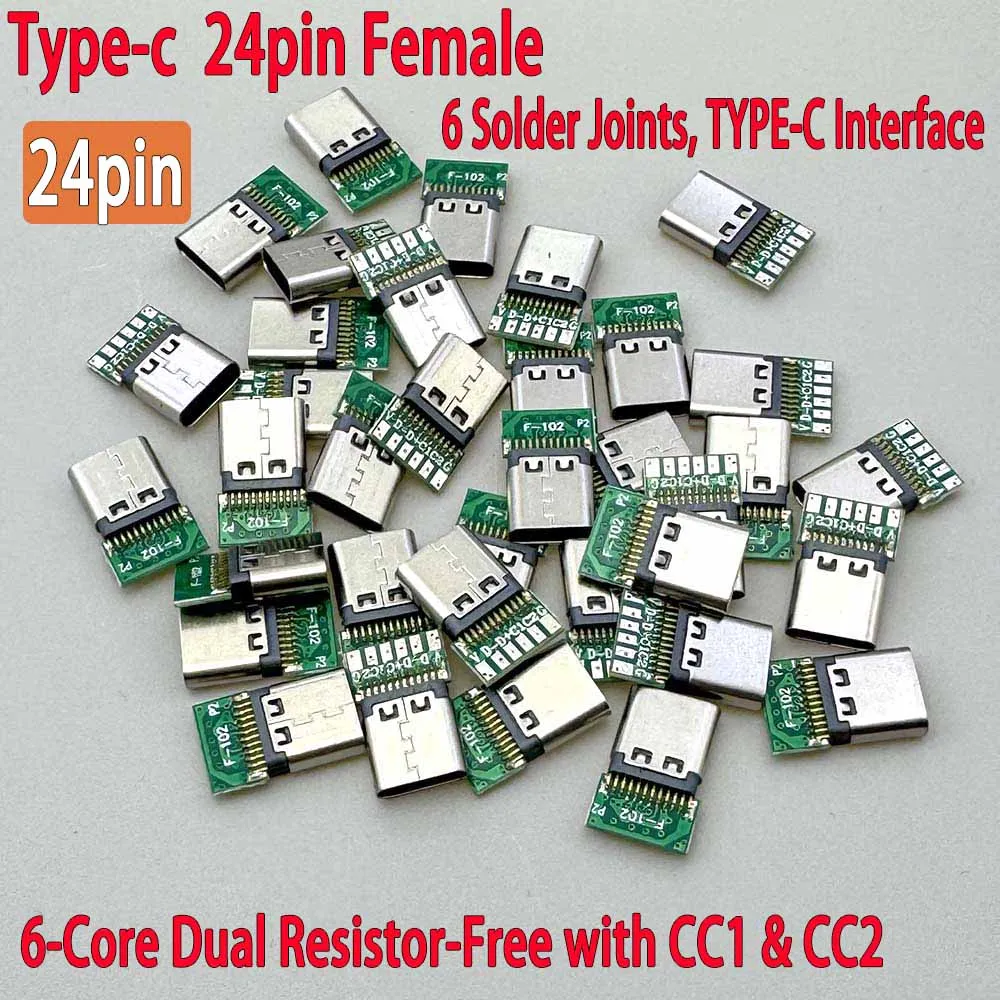
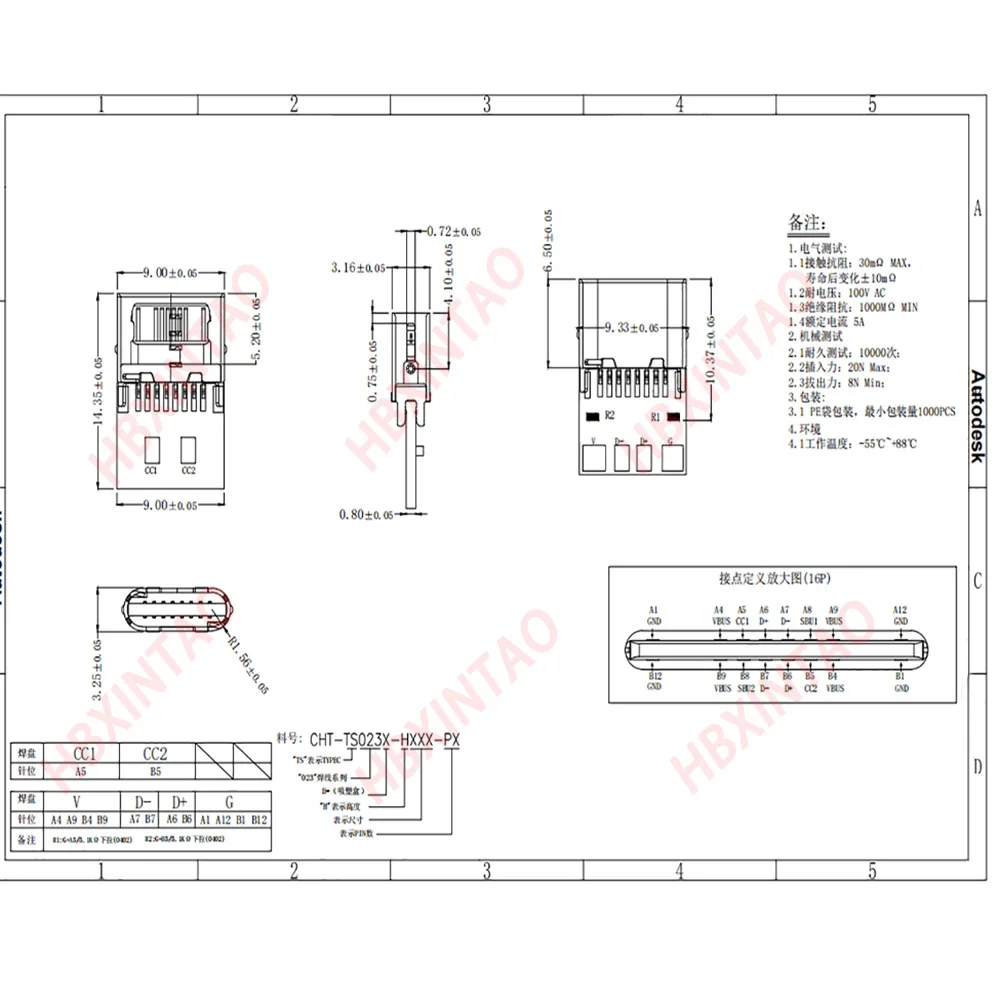
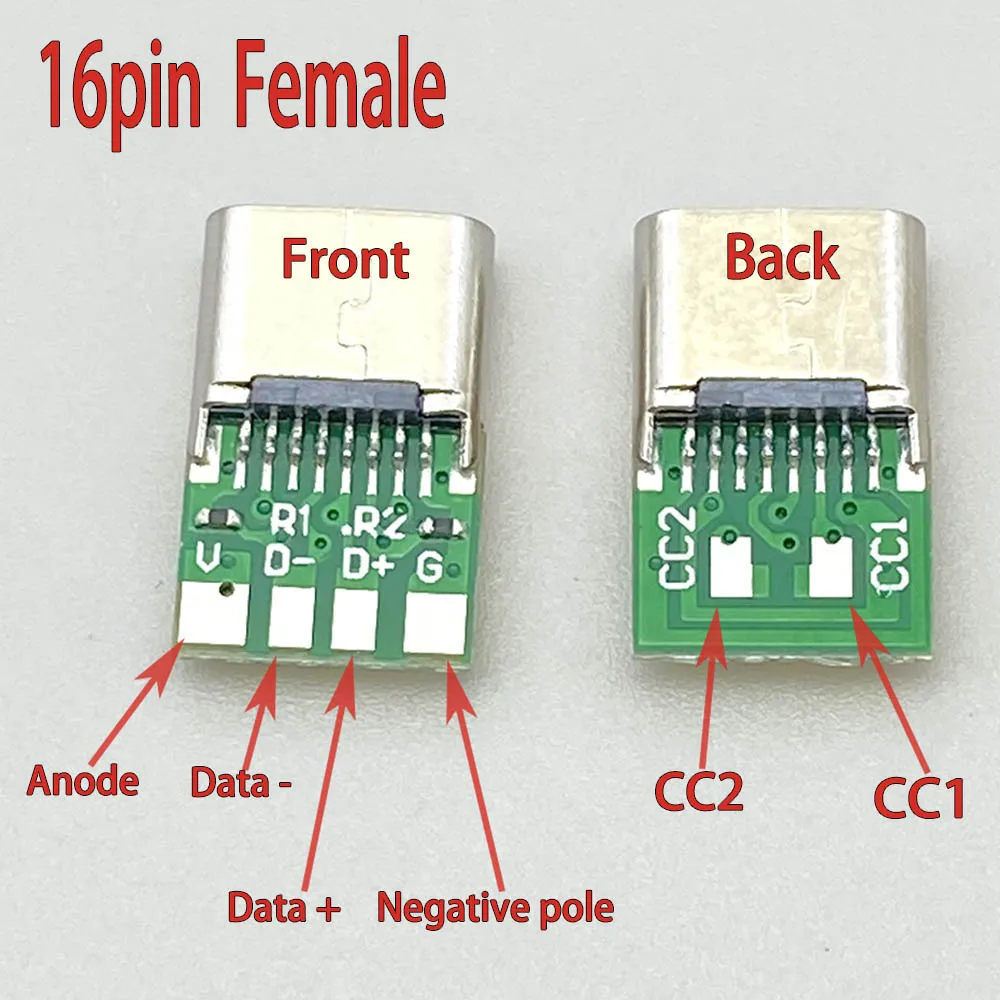
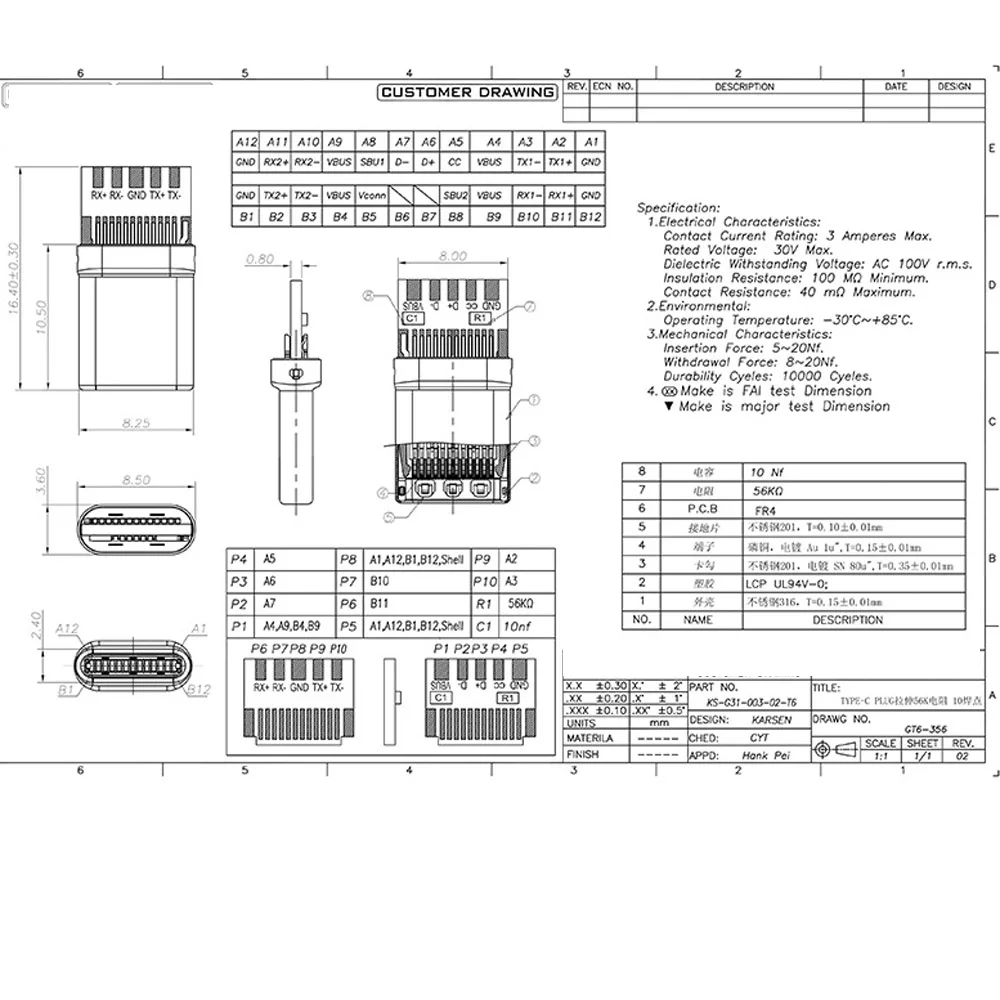
- Contacts: 14-pin, 16-pin, 17-pin, 24-pin
- Gender: male plug and female receptacle
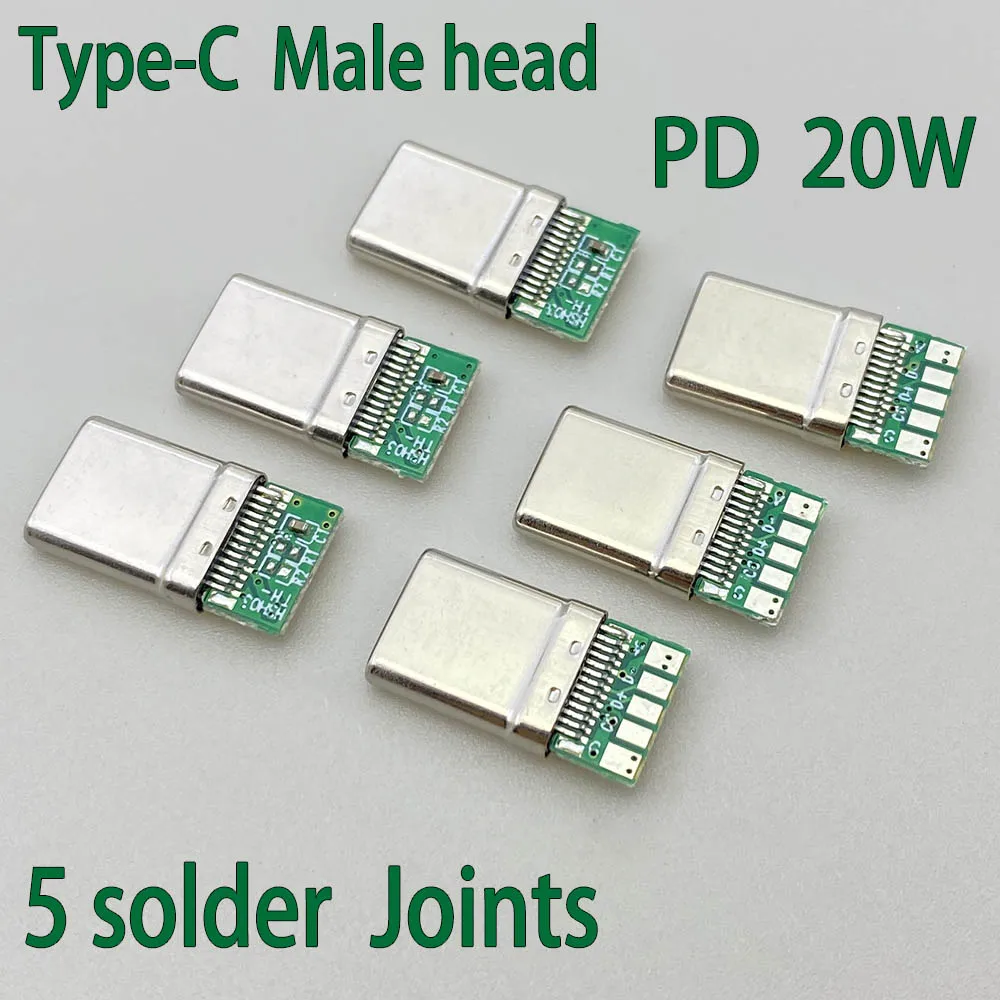
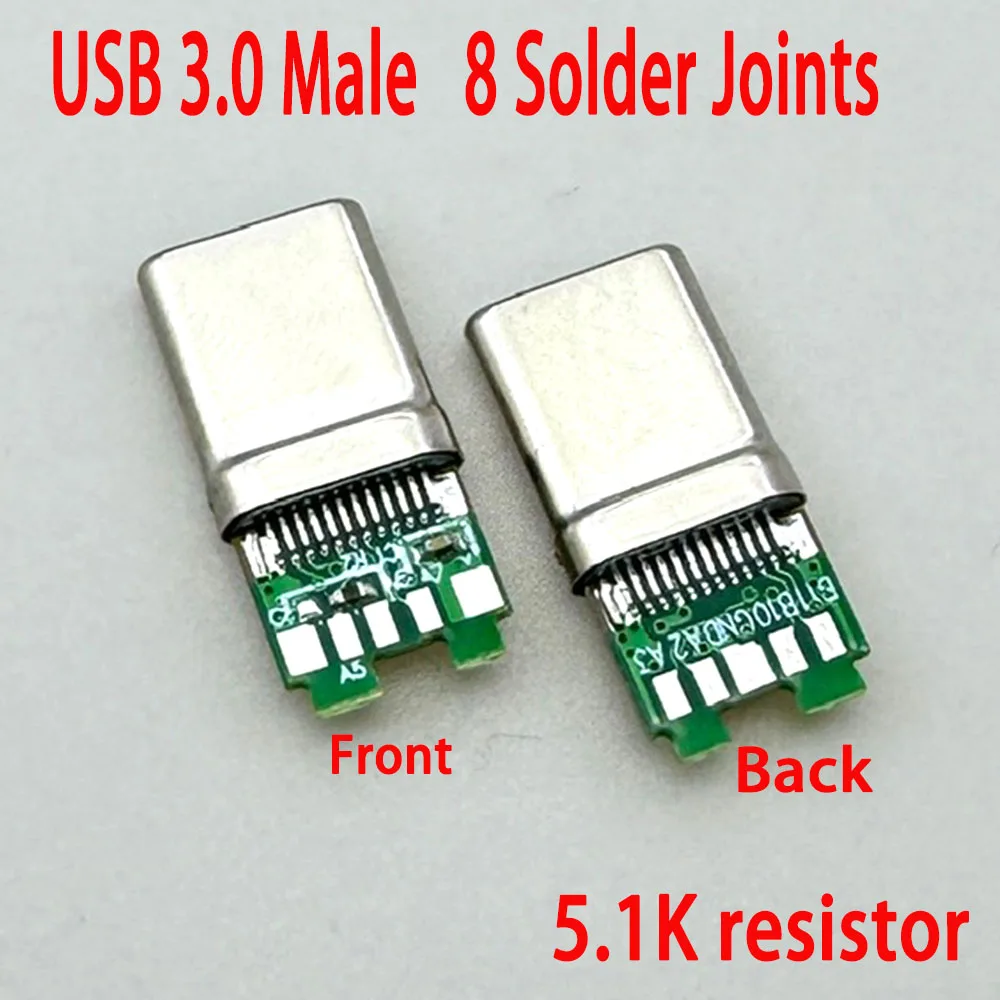
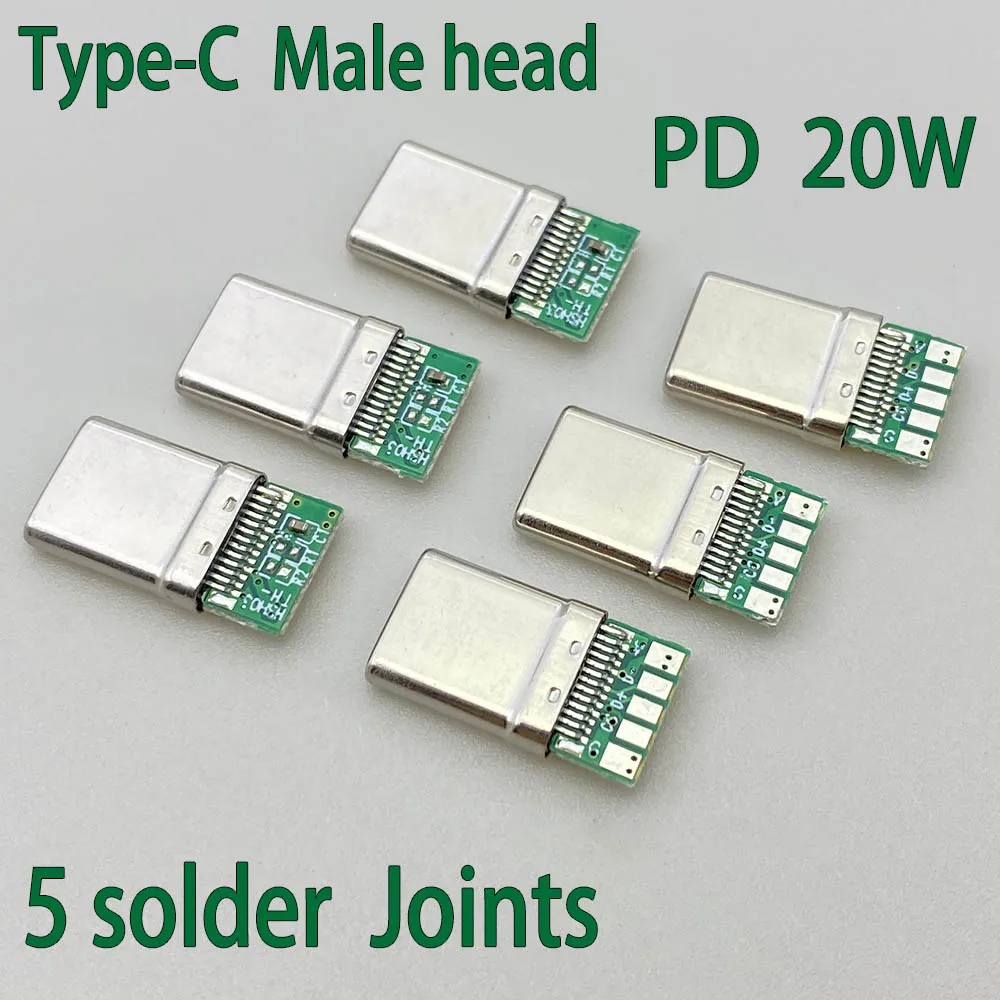
- Termination: PCB mount or solder-wire, with 5 or 8 solder joints
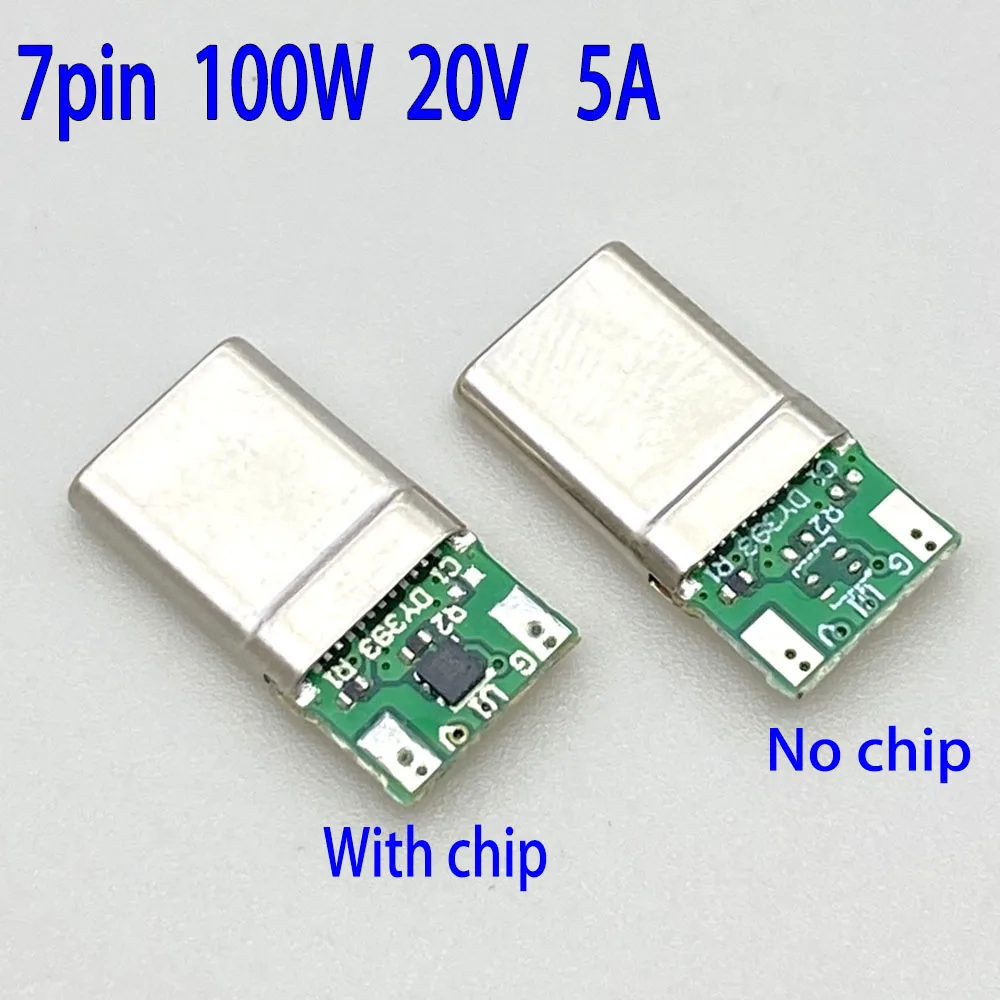
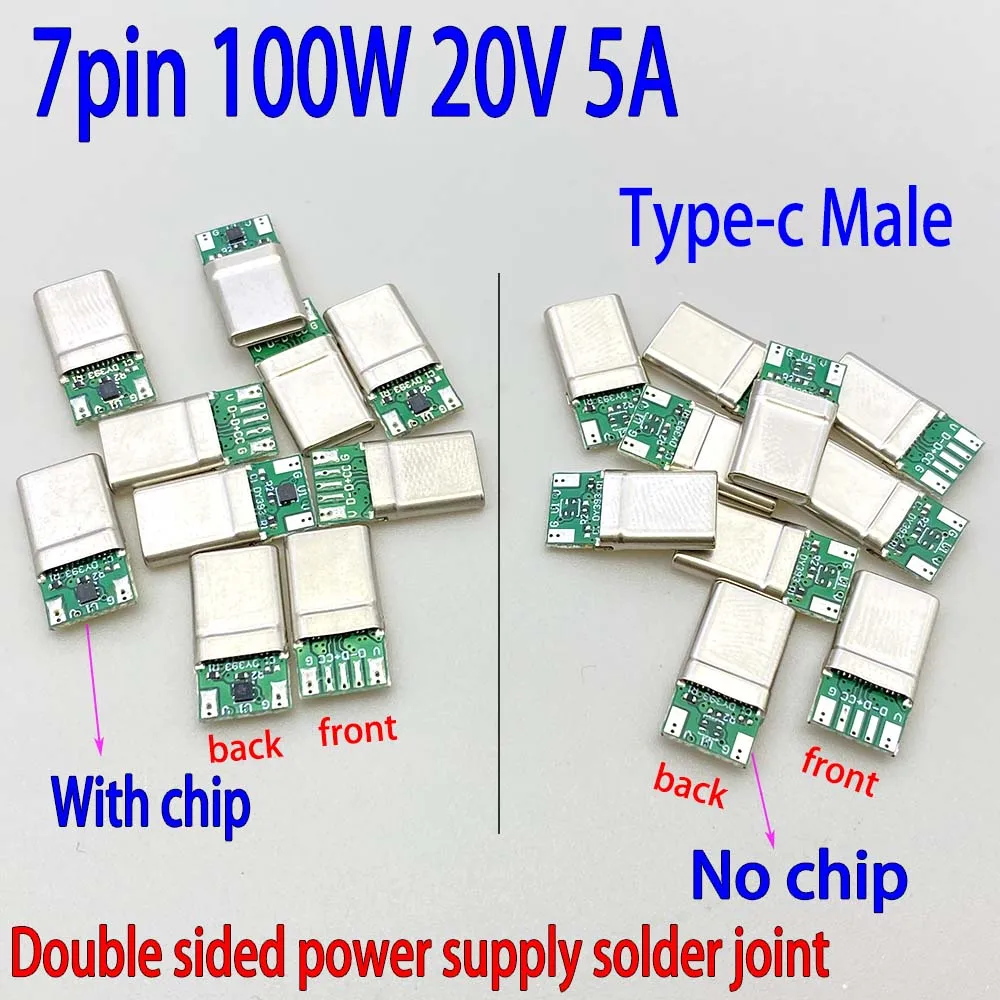
- Power variant: 7-pin rated 100 W at 20 V 5 A
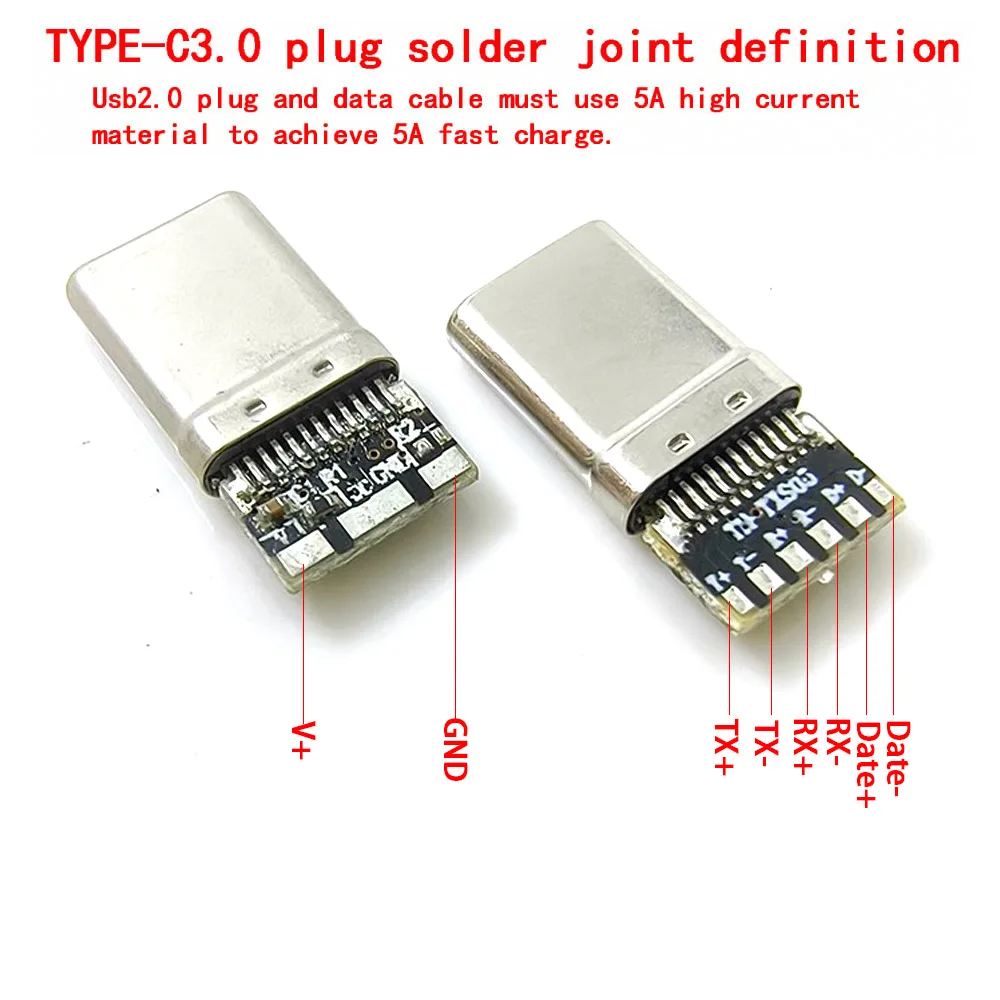
- Standards: USB 3.1 on the 17-pin male, USB 3.0 on the Type-C male
- Combined option: 5-core cable with a 16-pin connector
Purpose
A worn receptacle or snapped cable end usually scraps the whole device. Buying the connector alone lets you reterminate it, and the pin counts mean a charging-only job need not pay for SuperSpeed lanes it will never use.
Applications
- Replacing a loose phone charging socket
- Custom-length Type-C cables
- Converting a micro-USB dev board to Type-C
- Repairing dock and hub inputs
How to Use
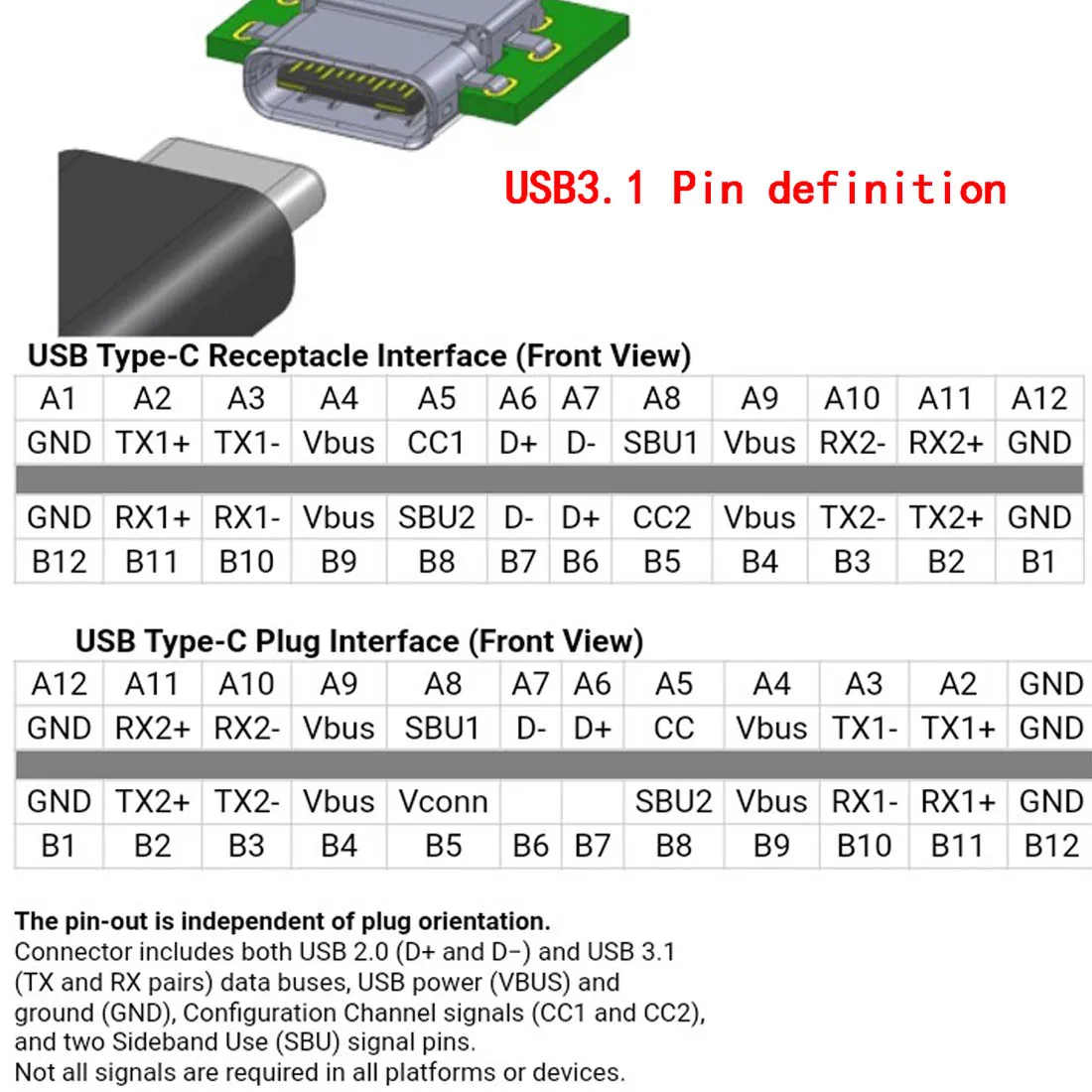
- Pick the pin count: 24-pin for full USB 3.1, fewer for power and USB 2.0.
- Offer the part up before soldering to confirm orientation.
- Flux and tin the pads, then solder the shell and ground pins first.
- Caution: 100 W is the connector ceiling – the source and cable must support 20 V 5 A before that current flows.
- Inspect every pin for bridges and tug the shell to test retention.
Need help selecting a power connector?
Review the XT/EC5 comparison, wire gauge and the complete OEM sourcing checklist before ordering.
Additional information
| Weight | N/A |
|---|---|
| Dimensions | 13 × 11 × 4 cm |
| Model | Type-c 3.0 Male, 14pin Female, 16pin Female, 24pin Female, 5 core and 16Pin, 8 Solder Joints, 17pin Male USB 3.1, 5 Solder Joints, 7pin 100W 20V 5A, Type-c 16pin Female |
Only logged in customers who have purchased this product may leave a review.
Buying FAQ
What is the minimum order quantity?
The minimum order quantity is 300 pcs.
How does tiered pricing work?
The unit price is adjusted automatically by quantity: from 600 pcs: 10% off. The final price is confirmed in the quotation.
Can you customize this product?
Yes. We support OEM/ODM, custom wire length, connector type, colour, packing and cable assemblies. Send a drawing, sample or photo for evaluation.
How do I request a quotation?
Use the quote form on this page, WhatsApp +86 15521787718, WeChat yieying_01 or email 298273997@qq.com. We reply within one business day.
What payment methods do you accept?
We accept T/T bank transfer. Card or local payment methods may be available through our payment partner, subject to the destination and order value.
What is the lead time?
Lead time is confirmed in the quotation. For custom or OEM orders, we normally approve a sample before bulk production.
Related products
-
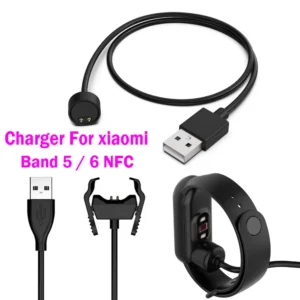
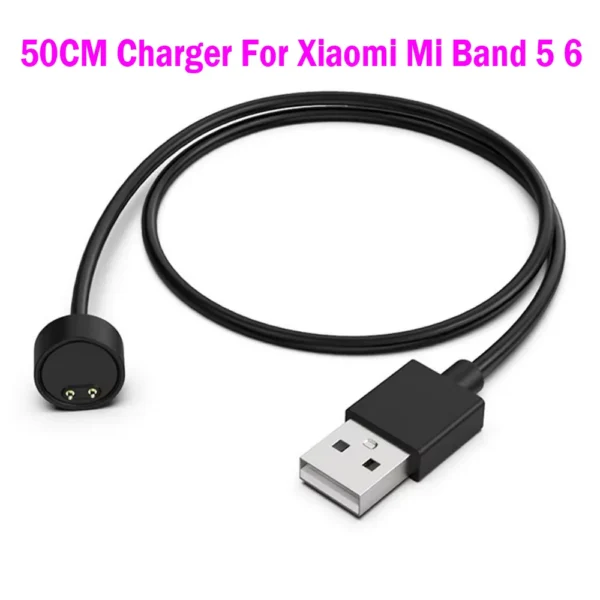
Charger For Xiaomi Mi Band 6 5 4 Miband 5 6 Smart Wristband Bracelet Charging Cable For Mi Band 4 5 USB Charger Adapter Wire
A replacement charging lead for Xiaomi Mi Band 4, 5 and 6, offered as a 50 cm charging cable and a 1 m charging clip. MOQ 100 pcs · up to 10% off Price range: $0.63 through $1.12 -
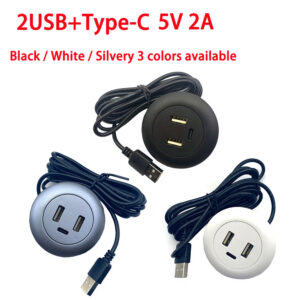
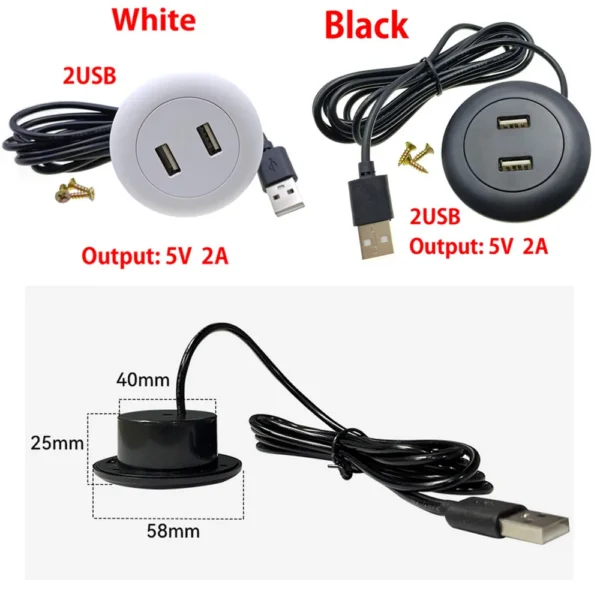
5V 2A/3A Multi Port USB Desktop Embedded Charging Connector For Mobile Phone USB+Type-C Desk Data Line Splitter Charging Socket
Desktop-embedded multi-port charging socket, 5V 2A/3A, USB-A plus Type-C in several port and colour options. MOQ 80 pcs · up to 10% off Price range: $1.88 through $2.24 -
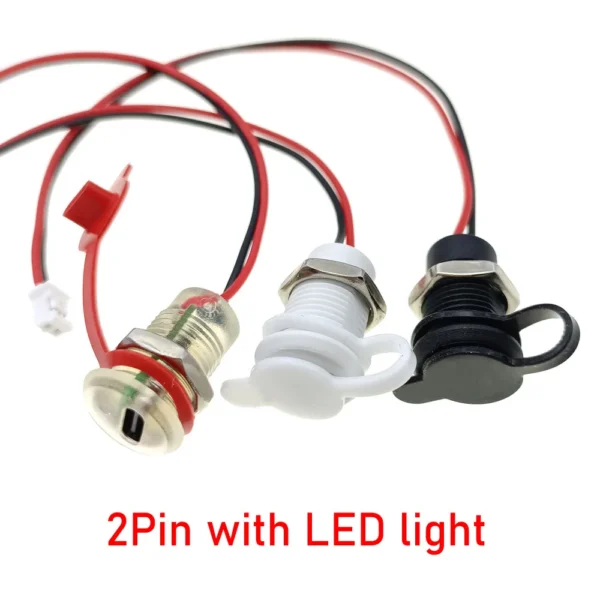
4.2V 1.5A 2Pin USB C with LED charging socket with nut snap lock plate TYPE-C female waterproof Equipment charging interface
Waterproof Type-C charging socket, 4.2V 1.5A, with LED indicator, nut and snap lock plate. 2-pin or PH2.0 termination. MOQ 200 pcs · up to 10% off $0.43 -
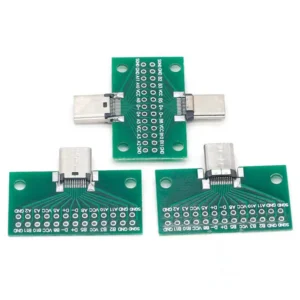
Type-C Male to Female USB 3.1 Test PCB Board Adapter Type C 24Pin 2.54mm Connector Socket For Data Line Wire Cable Transfer
A break-out board that puts a 24-pin USB 3.1 Type-C connector on a 2.54 mm header, so the pins can be reached with probes or jumpers. MOQ 100 pcs · up to 10% off Price range: $0.86 through $1.51 -
Charging Connector Double layer USB female base type-c socket female USB lamp charging socket power socket with cable connector
MOQ 100 pcs · up to 10% off Price range: $0.46 through $0.53 -
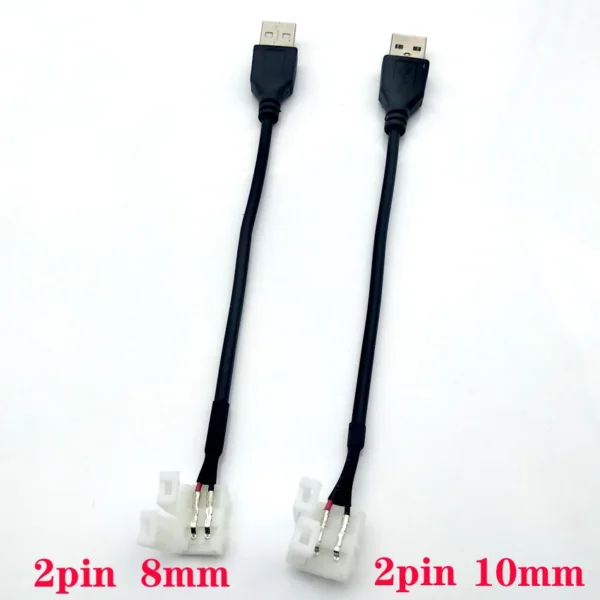
2pin 18cm Cable Led Strip Connector 8mm/10mm Led Connector to USB Connector Free Welding for 5050 DC5V Led Strip
A 30-piece pack of 2-pin LED strip connectors, each on an 18 cm cable ending in a USB connector, so 5050 strip can be powered without soldering. MOQ 200 pcs · up to 10% off $0.33 -
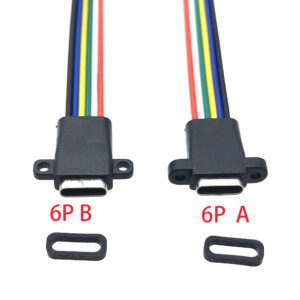
USB 3.1 Connector Type-C 2/4/6Pin Welding Wire Female Waterproof Female Socket Rubber Ring High Current Fast Charging Port
A USB 3.1 Type-C female socket with solderable wire tails and a rubber ring seal, built to sit in a device wall rather than on a PCB. MOQ 100 pcs · up to 10% off Price range: $0.20 through $0.59 -
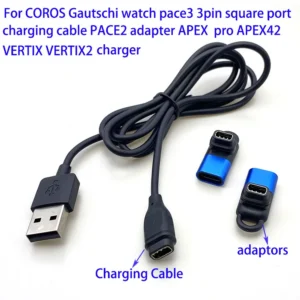
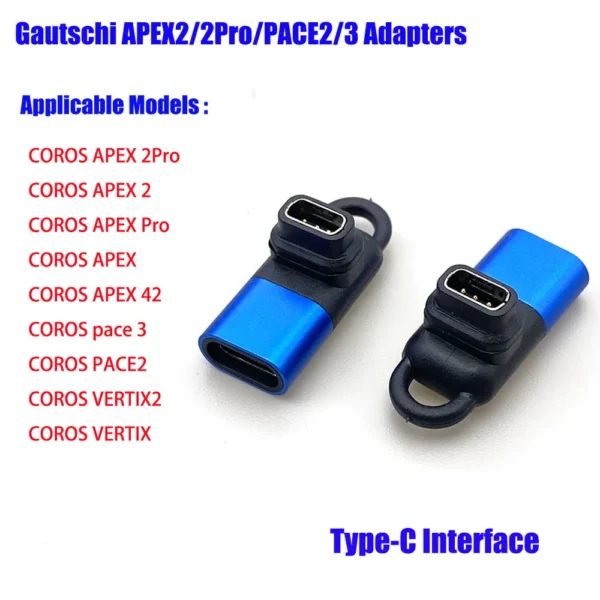
for Coros Pace 3/ Pace 2 USB Type C Charger Cable Adapter for Coros Apex/Apex pro/Coros Apex 42mm 46mm/Coros Vertix/ Vertix2
MOQ 100 pcs · up to 10% off Price range: $5.27 through $6.04 -
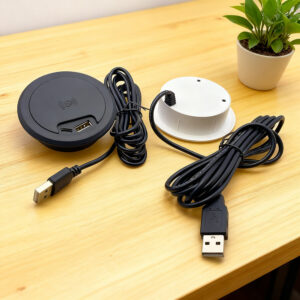
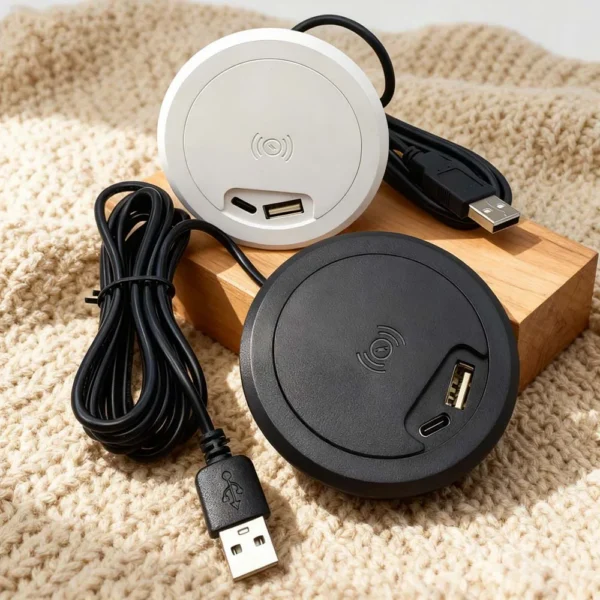
15W Wireless Charge Connector USB+Type-C Quick Charge Connector Built in Desktop Device Round Hole 60mm Circular Embedded Adapte
A circular charging module that recesses into a desktop so the point sits flush with the work surface. MOQ 50 pcs · up to 10% off $10.37 -
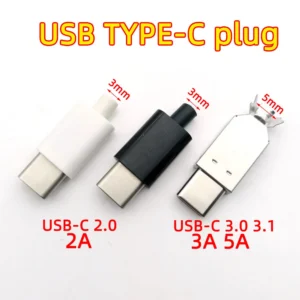
USB 3.1 Type C 2.0 Male Jack Charging Plug Welding Type USB-C Adapter 3/4 in 1 2A/3A/5A Large Current Connector With Case
A USB-C male plug in the weld-on style, with solder cups rather than a PCB footprint, for building or repairing a Type-C cable end. MOQ 200 pcs · up to 10% off Price range: $0.10 through $0.46 -
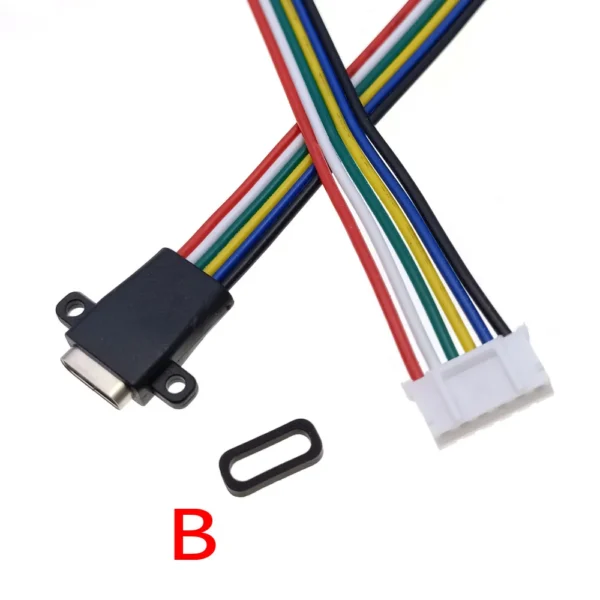
Type-C 2-pin 4-pin 6-pin solder wire waterproof female USB C socket with rubber ring fast charging interface USB connector cable
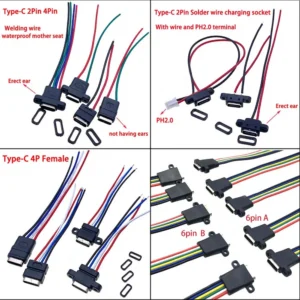
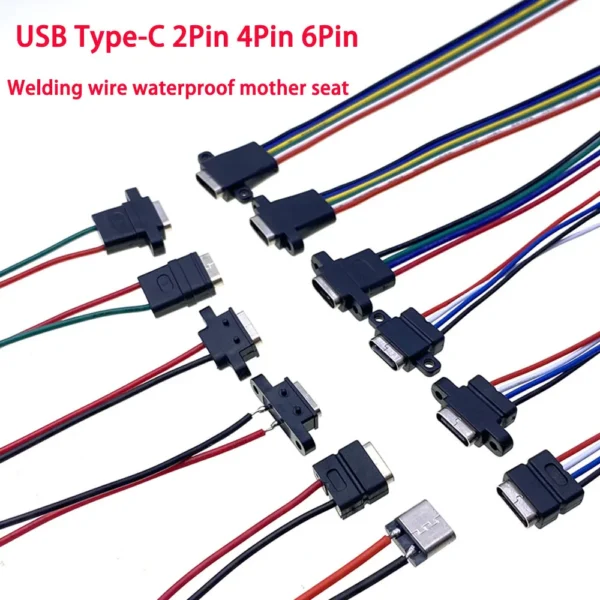
A waterproof Type-C female socket for solder-wire termination in 2-, 4- and 6-pin contact counts, with a rubber sealing ring at the panel face. MOQ 100 pcs · up to 10% off Price range: $0.10 through $0.59 -
2pin 4pin 6Pin Embedded Panel Installation USB C Connector Type-C Female Jack With Cable PH 2.0 3A High Current Bonding Wire Port
Panel-mount Type-C female socket, 2 / 4 / 6 pin, 3A high current, with PH2.0 connector or flying leads. MOQ 100 pcs · up to 10% off Price range: $0.25 through $0.49

Reviews
There are no reviews yet.